
Why Your Bathroom Heater Keeps Dying (and How to Fix It)
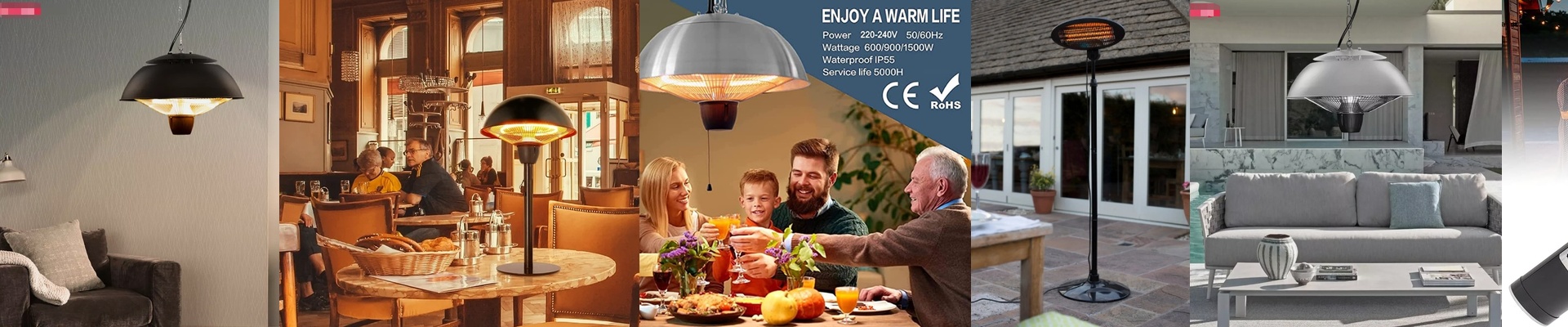
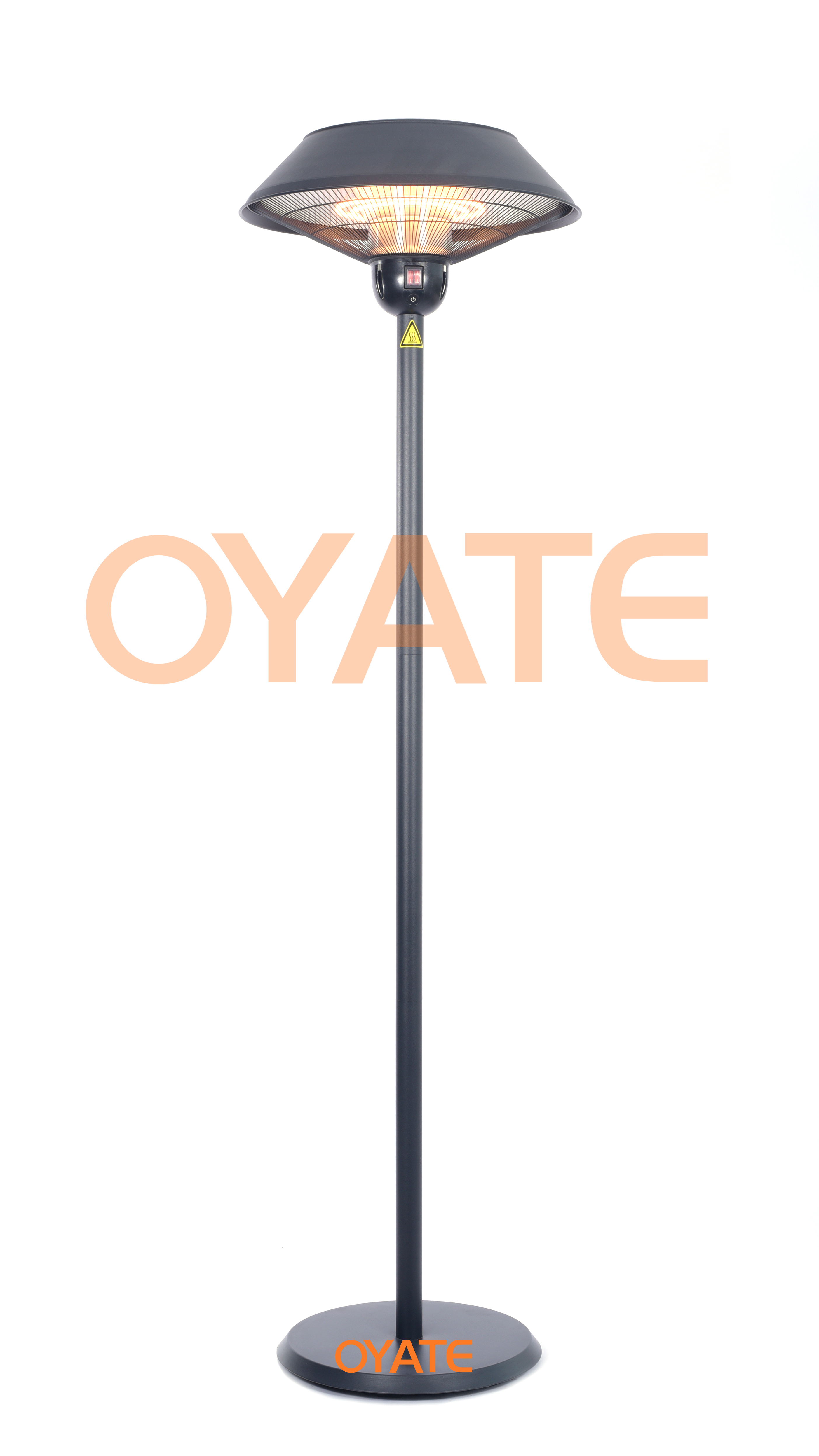
Ever notice how those old-school “lamp” heaters always seem to give up the ghost right when you need them most? It’s usually because they just aren’t built for the steam. When you’re showering, your bathroom becomes a sauna. Most basic heaters aren’t sealed well enough to keep that moisture out. Steam creeps into the housing, hits the electronics, and—pop—you’ve got a short circuit or a burnt-out element. That’s why we’ve been leaning heavily into high-IP waterproof infrared heaters lately. It’s not about making the room look fancy. It’s about keeping the water away from the live wires so you don’t have to worry about electrical leaks while you’re scrubbing your toes. The “Instant Warmth” Secret Here is the thing about heat: most heaters try to warm up the air. But if you have a drafty bathroom or a gap under the door, that warm air just vanishes. Infrared is different. It doesn’t bother with the air; it goes straight for you. It’s like stepping into a beam of sunlight on a cold day. You feel it on your skin the second you flip the switch. We usually use quartz or halogen elements to get that effect. It’s fast. Really fast. A Few Things to Watch Out For If you’re swapping out an old unit, it’s usually a pretty simple swap. But do me a favor: check your circuit breaker first. These things pull a lot of power to get that instant heat, so you want to make sure your wiring can actually handle the load. And a heads-up on the placement. Infrared creates a “heat zone.” If you’re standing in the beam, you’re cozy. If you step two feet to the left? You’re back in the cold. You have to be surgical about where you mount the unit on the ceiling. Aim it exactly where you’ll be standing—usually the shower or the vanity. If you mess up the placement during the rough-in, you’re basically wasting the best part of the tech.