

Introduction
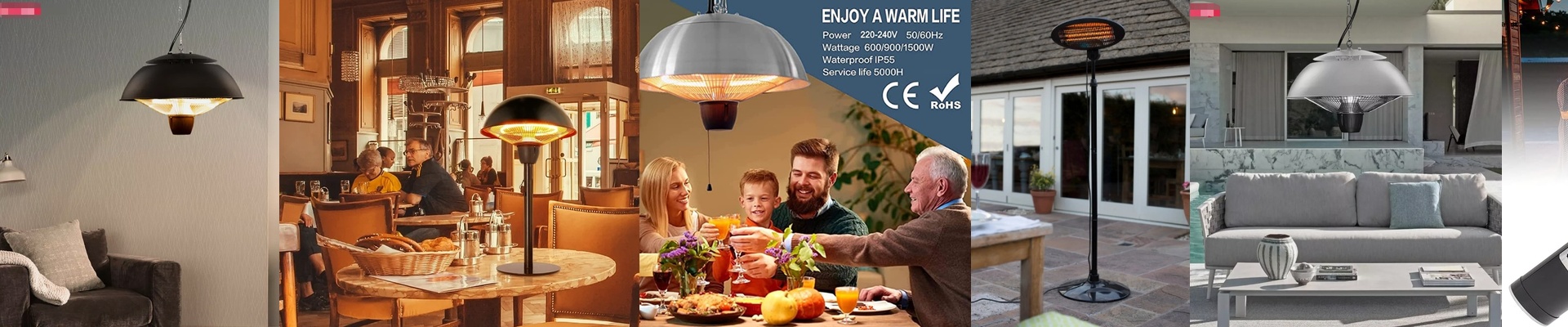
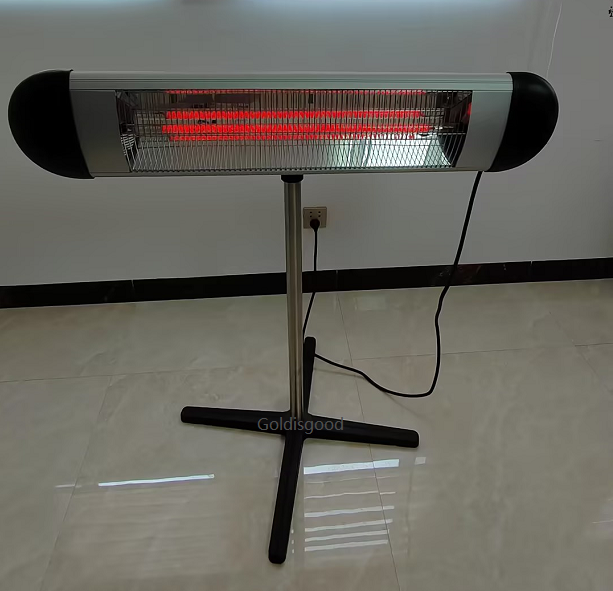
Let’s get real about patio heating. We built our best-selling infrared heaters—both the wall-mount and floor-stand models—to take whatever the outdoors throws at them. Durability is the whole point. We made sure the heating element, optics, and electrical parts are protected from fog and splashes. That way, you’re not stuck with a heater that burns out way too soon.
What’s Under the Hood
These heaters run on a solid electrical setup that keeps them both powerful and safe, day after day. The halogen tube packs a ton of heat into a small space, so you get that quick warm-up without needing a giant machine. It’s a smart fit for outdoors. You feel the heat the second you turn it on, and the design keeps all the important bits well away from pooled water and condensation. And the anti-fog feature? It’s not just for looks. It stops moisture from scattering the beam and creating hot and cold spots. Those uneven temps put stress on the tube and socket—a common way heaters fail. Plus, the splash-proof shield keeps rain and splashes away from the tube ends and wiring.
The Materials We Chose
We went with a halogen-filled quartz tube, complete with a protective coating and an R7s connector. Quartz is tough—it handles high heat and won’t crack when temperatures shift suddenly, unlike regular glass. That coating is there to fight off moisture and gunk, which helps keep the heat output steady over time. The R7s connector is just a practical pick. It gives you a solid connection and makes replacements quick and easy when you need it. Even with some vibration or regular adjusting, the wiring stays secure.
How It Works for You
Go with a wall mount, and you save floor space while keeping the heater up and away from the usual splash zone. Floor stand models give you more flexibility in placement, but since they sit closer to wet surfaces, that splash-proof build is extra important. Just keep one thing in mind: high heat density means things around the heater warm up fast. So you’ll want to choose your spot carefully and make sure nearby materials can handle the radiant heat. Give it some clearance and a bit of ventilation to manage the overall temperature. Do all that, and the anti-fog and splash-proof protection do their job—keeping your patio heater running strong, even when the air is damp.