Replacement Infrared Tube for Portable Deck Ovens: Cutting Energy Use with High-Density Heat
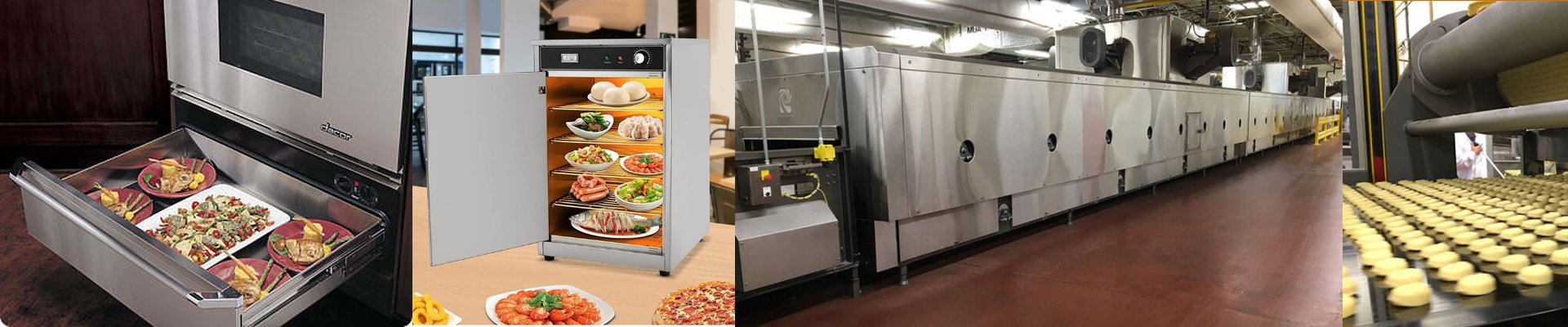
If you run a portable deck oven, you know the heating element has to be tough. It needs to blast out serious heat, fast, and not burn out on you. We built this replacement infrared tube to be a straight upgrade over the old resistance wire. The payoff? Faster cycle times and a noticeable drop in your energy use. Its whole job is simple and focused: get concentrated, controllable heat right where the oven needs it, every single bake.
Power, Voltage, and Fit
This tube is all about high-density heat. It’s designed for 400V operation, which lets us pack more wattage into a small footprint. In practice, that means it heats up fast and snaps back to temperature after you open the oven door. We also made sure the length fits the oven chamber perfectly. That gives you even heat across the whole deck surface. Power density is the name of the game here. With 2500W packed into a 300mm tube, it hits operating temperature quickly, cutting down idle time and shortening preheat. Just a heads-up: this setup needs a properly rated electrical circuit. If your oven wiring and terminals can’t handle the current draw, you can get voltage drop and temperature swings.
Material & Design: Halogen, Quartz, and R7s Connector
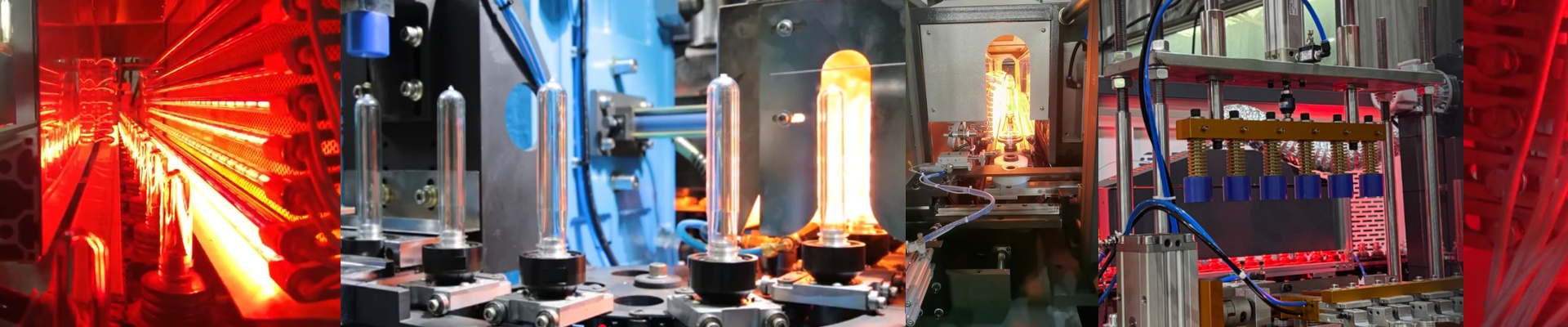
The tube uses a halogen-filled, quartz envelope. The halogen gas keeps the filament stable and helps the output stay consistent over the life of the tube. And the quartz body? It’s built to handle the thermal shock and high temperatures of a deck oven’s daily grind. The R7s connector is a smart choice, too. It gives you a secure, aligned fit with consistent contact. That means fewer hot spots at the connection and less time spent fiddling with terminals. Installation is a straight swap. Line up the pins, seat the tube, and you’re back in production.
What It Feels Like to Use: Efficiency, Installation, and Heat Control
In a portable deck oven, the element has to deliver heat on demand, with almost no lag. This infrared tube puts high heat density right where you need it, so you get faster baking and consistent color. Compared to resistance wire, the infrared approach wastes less energy heating up big metal parts. It focuses the heat where it matters. You’ll see the biggest gains if your shop runs frequent batches with lots of door openings. Recovery is fast, and temperature swings stay small. One trade-off: that high power density means your oven’s cooling and ventilation need to be up to the task. If the chamber runs too hot, the component life can shorten. For engineers who want to cut electricity use, reduce downtime, and keep the deck temperature stable shift after shift, this tube is a practical, no-nonsense upgrade.
Energy Savings: Infrared vs Traditional Resistance Wire in Deck Ovens
Traditional resistance heating works by heating metal elements, which takes time and loses heat to the surrounding air. Infrared tubes go straight to the workpiece.
- **Faster heat transfer:**Infrared delivers energy directly to the surface, which shortens preheat time.
- **Less wasted heat:**Energy is focused on the deck, not heating the oven frame.
- **Quick recovery:**After door openings, the tube returns to temperature fast, keeping bake profiles consistent. The result is real and measurable: shorter cycles, stable temperatures, and lower kWh per batch.