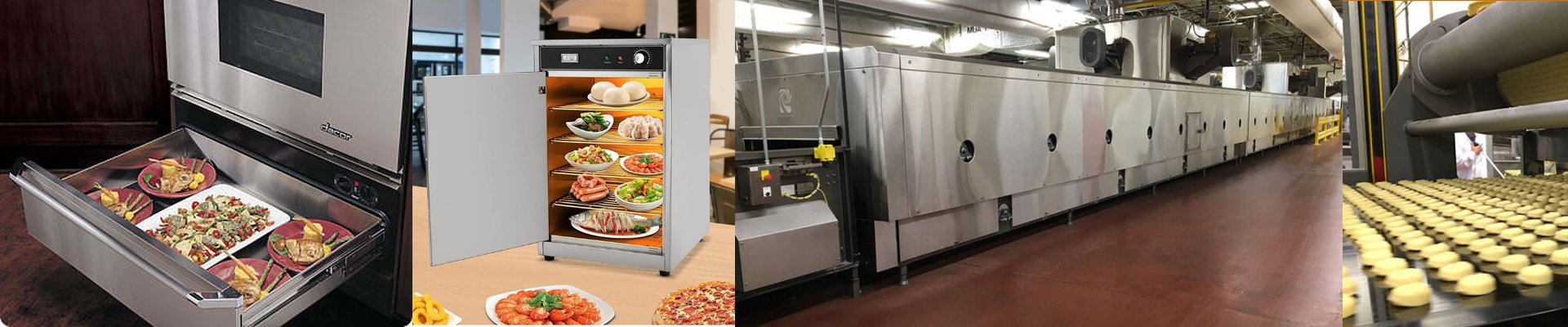
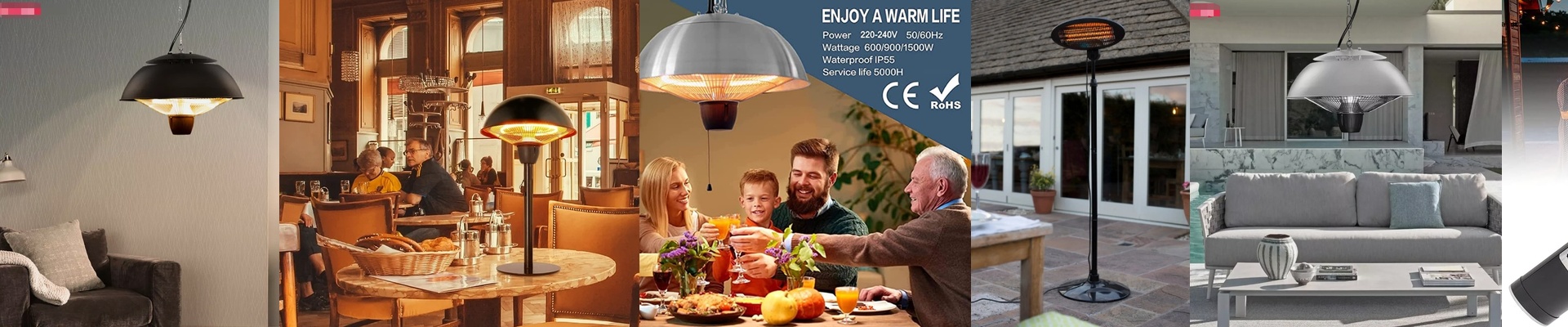
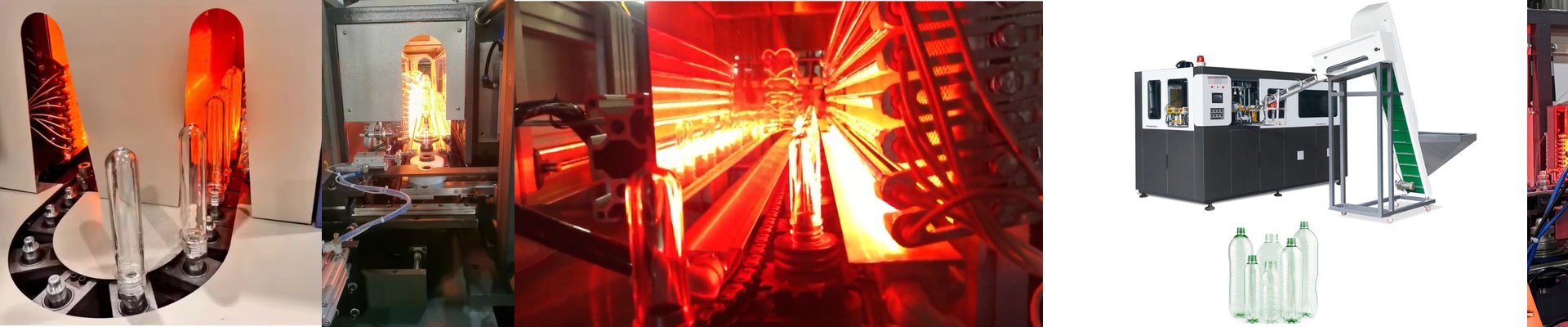
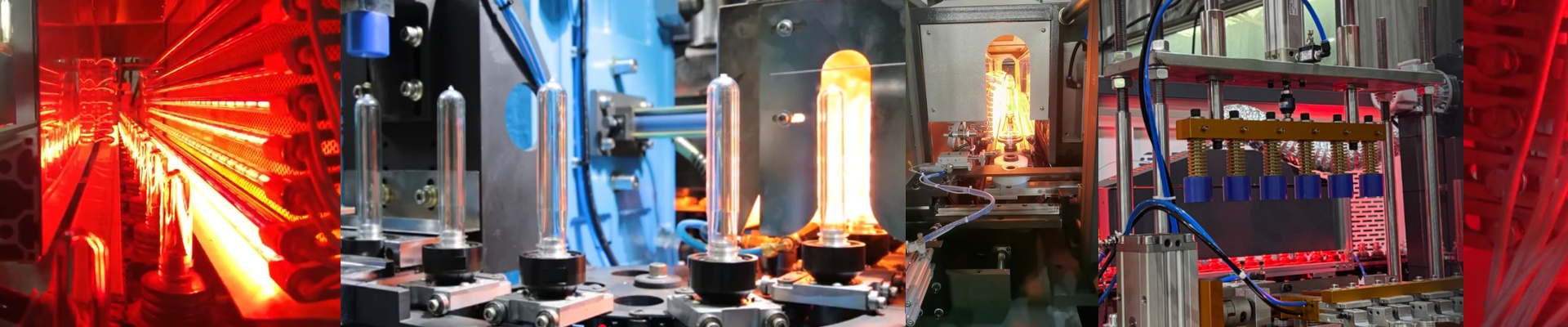
When the ticket queue is building and you need a clean crust set—without turning the center into a brick—top heat alone just isn’t enough. You end up chasing uneven color, soggy edges, and product you have to scrap. The practical fix is targeted infrared, mounted where it earns its keep: as a buffet lamp infrared heater inside your deck, rotary, or convection oven. What matters under the hood We build these around short-wave infrared quartz elements that hit full intensity fast—usually within seconds—so you can apply heat on demand instead of waiting for the whole oven to recover. The output is tuned to the spectrum that drives surface drying and surface set quickly, which is exactly what curing needs. Specs stay grounded: 240V or 380V configurations, compact lamp bodies that drop into standard oven reflectors, and terminal blocks or quick-connect wiring that keep the install straightforward. The quartz tube runs hot and dry, and the reflector geometry keeps the energy on the product line, not bleeding onto the oven walls. Why this works in real production When you’re curing in a commercial oven—finishing a glaze, setting a crust, or knocking moisture off the top layer—control is what separates consistency from guesswork. Infrared heats the product surface directly, so you get an immediate response when you dial intensity up or down. That translates to faster cycle control without over-browning the edges, and it can cut down how long the oven has to run wide open. Plus, it gives you a clean way to add a boost zone on a busy bakery or foodservice bake deck, where repeatable results matter shift after shift. The field notes you’ll thank yourself for later Infrared lamps run hot at the element, so clearance to nearby surfaces and proper shielding have to match the oven interior. They perform best when matched to the oven’s voltage and mounting hardware, and they’re most effective as a targeted zone—not the only heat source. Plan on clean, dry mounting points, and confirm reflector alignment during install. If it’s off, you scatter intensity and start seeing uneven results.