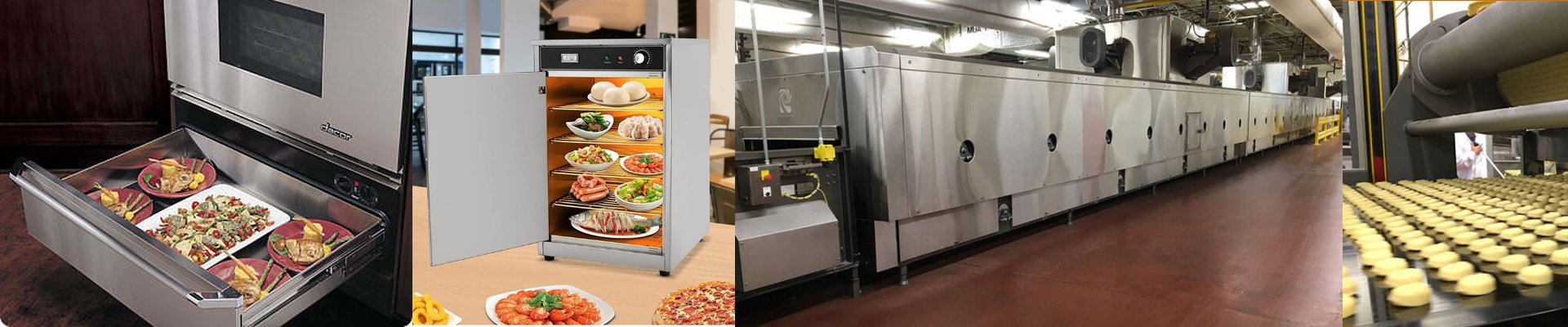
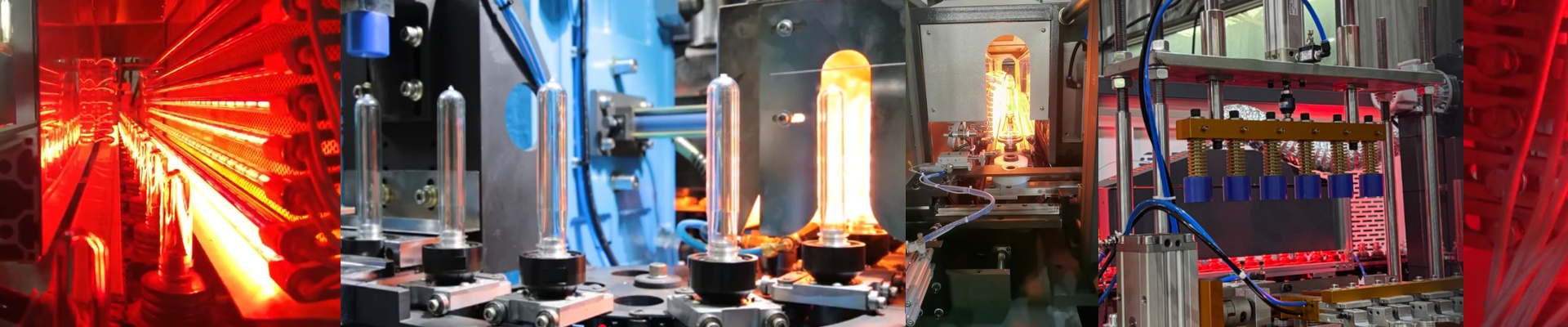
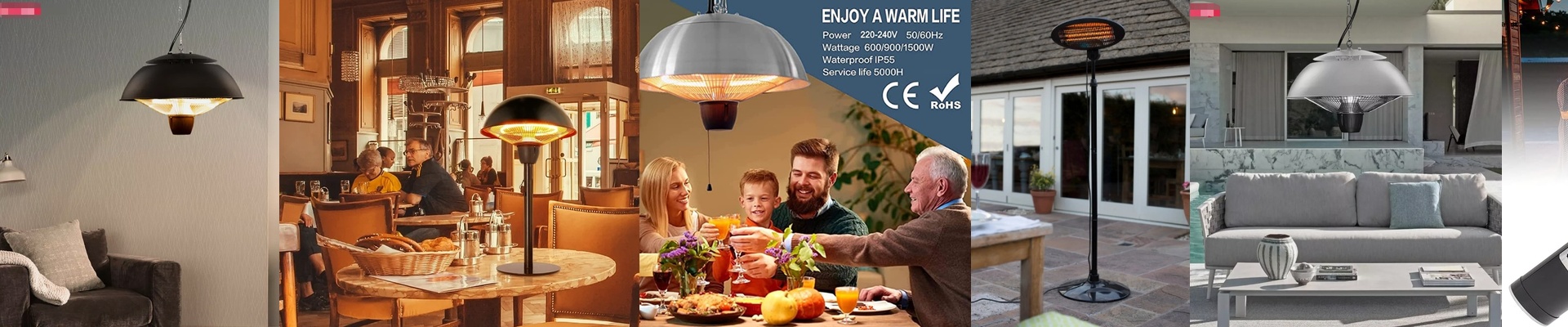
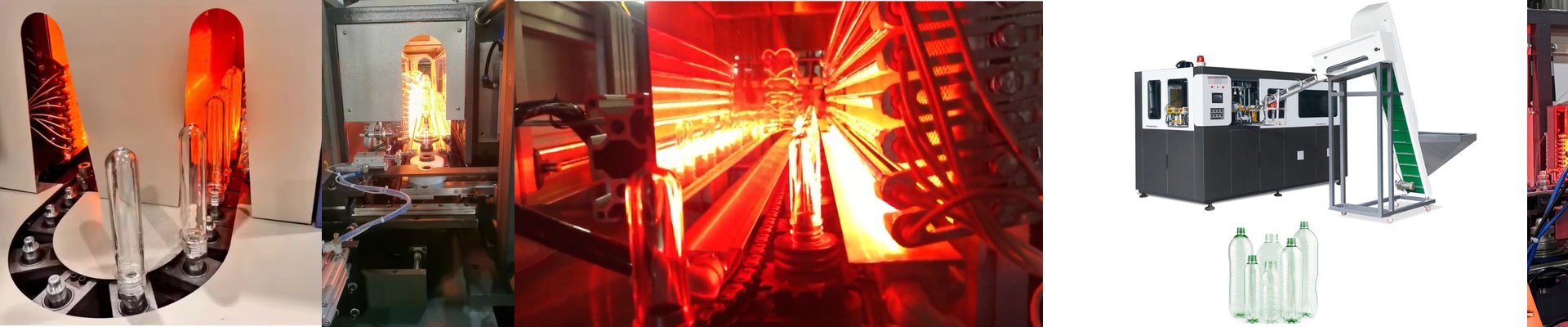
When the radiant heater in your rotary oven starts to slip, you feel it on the line right away. Bake times wander. Crust color goes patchy. Suddenly you’re reworking dough or scrapping trays. In a busy shop, that downtime hits harder than the price of the part—it steals control of output and quality. Swapping in a proper radiant heater isn’t just fixing a component. It’s getting back to heat you can count on, and results you can repeat. What matters under the hood We spec these replacements around a high-output infrared radiant element built for the punishing, fast-on/fast-off life of a rotary oven. It comes up to temperature quickly and throws stable, focused radiation right where it needs to go—onto the pans—so the baking chamber recovers fast between loads. The fit details are grounded in the real world: standard voltage options, a compact footprint, and mounting and terminal layouts that line up with common rotary oven footprints. In practice, that means less time waiting on heat and more even caramelization across the whole batch. Why this works in a rotary oven Rotary ovens depend on even radiant heat to drive moisture off the crust fast without scorching. When the heater is tired and uneven, you get hot spots and cold zones, and your consistency goes with it. Put in a replacement that does its job, and you regain uniform heat distribution—tighter quality control, fewer rejects. The quick recovery supports higher throughput when service peaks, and the efficient element design helps lower energy use per bake cycle, which takes pressure off both your utility bill and your ventilation load. Before you order, here’s the checklist Confirm your oven’s wattage, voltage, physical mounting dimensions, and wiring configuration. Getting those details right matters because clearance and termination directly affect performance and safety. Keep the reflector clean and make sure airflow around the heater is unobstructed—even the best element will underperform if it’s blocked or overheating. If your oven runs variable speed rotation, pair the heater with a matched thermostat to hold the most stable bake profile.