
Making Your Bathroom Actually Warm (Without the Wait)
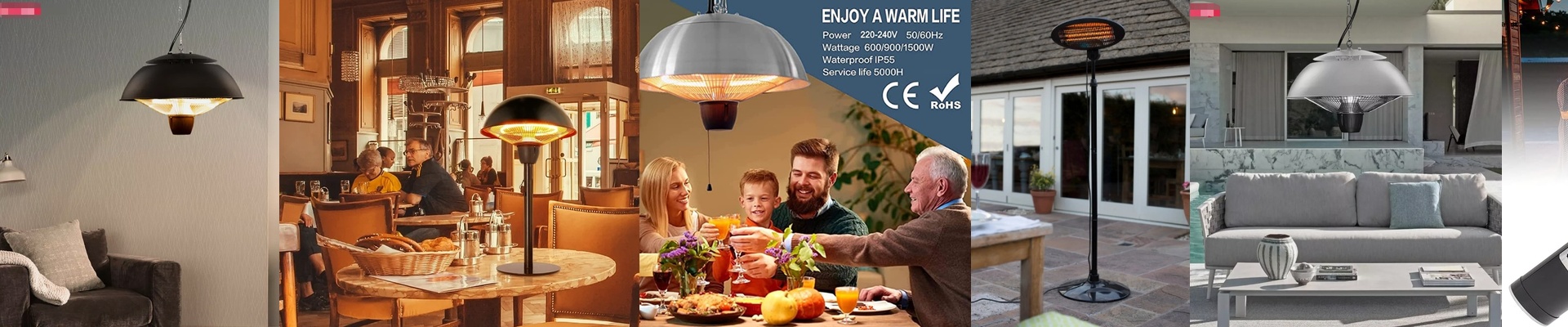
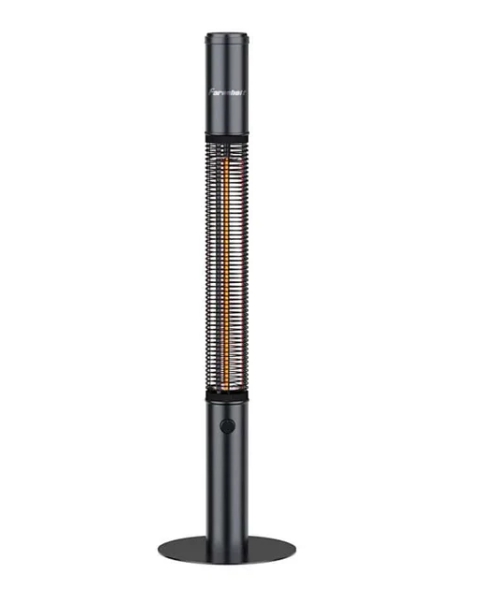
Let’s be honest: there is nothing worse than stepping out of a hot shower into a freezing bathroom. Most heaters try to warm up the air, but in a drafty room, that heat just vanishes. That’s why we use short-wave infrared. Instead of fighting the air, it sends heat straight to your skin and the surfaces around you. It’s a different kind of warmth. It’s immediate.
How the “Instant Heat” Thing Works
Inside our lamps, there are tungsten filaments tucked into quartz. The second you flip the switch, those filaments hit their peak temperature in a fraction of a second. It feels like stepping into a patch of sunlight on a crisp spring day. Because it doesn’t rely on moving air around, it doesn’t matter if you have a drafty window or a leaky door. You feel the heat the moment it’s on.
Getting it to Play Nice With Your Smart Home
If you want to control this from your phone or a voice assistant, you just need to add a high-load relay or a dimmer to the mix. We wrap everything in a waterproof module (IPX4 rated) so you don’t have to worry about the steam. The best part? You can set up a “Morning Routine.” Imagine your heater kicking in five minutes before you even wake up. By the time you walk in, the room is already cozy. It all happens in the background via Wi-Fi or Zigbee, closing the circuit and warming things up while you’re still rubbing the sleep from your eyes.
A Few Things to Watch Out For
Now, this kind of power comes with a couple of catches. First, these lamps pull a lot of current. If you’re installing a whole array of them, make sure your wiring and circuit breakers can handle the load. You don’t want to be staring at a dark room because you tripped a breaker. Also, since the heat is so intense, be mindful of where you point them. Keep them away from plastic fixtures, or you might end up with some unwanted warping. One last tip: check your seals during installation. If a gasket isn’t seated right, moisture will sneak in and fry your relay. It’s a small detail, but it’s the difference between a system that lasts for years and one that dies in a month.