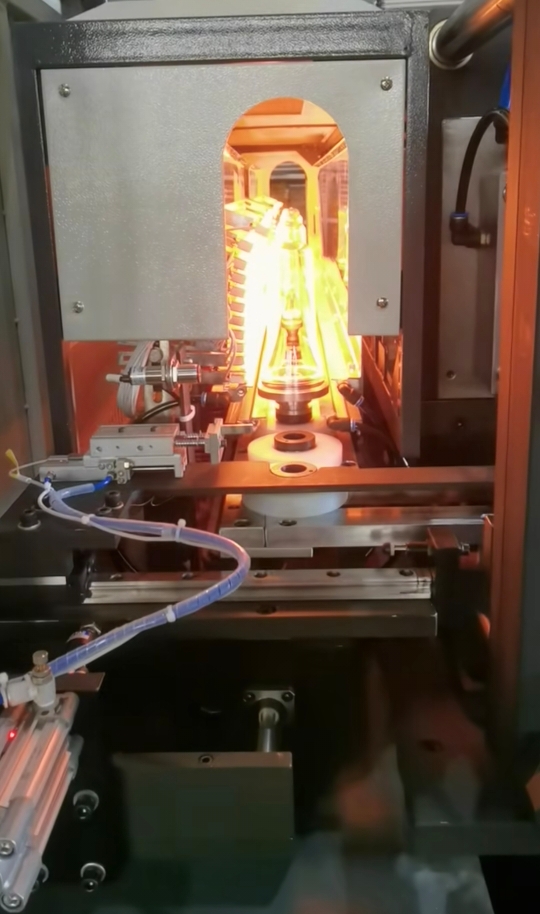
Getting Your IR Heating Right for Sidel SBO and Krones Contiforms
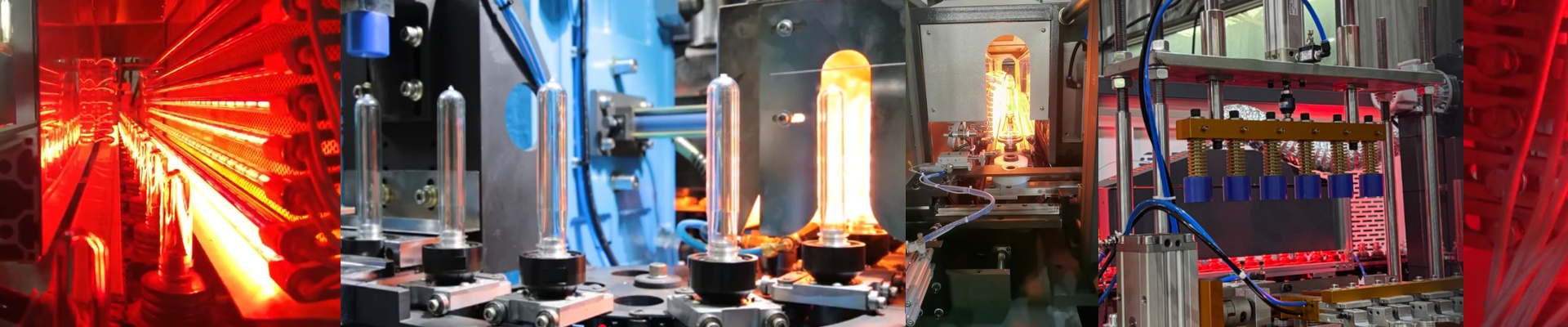
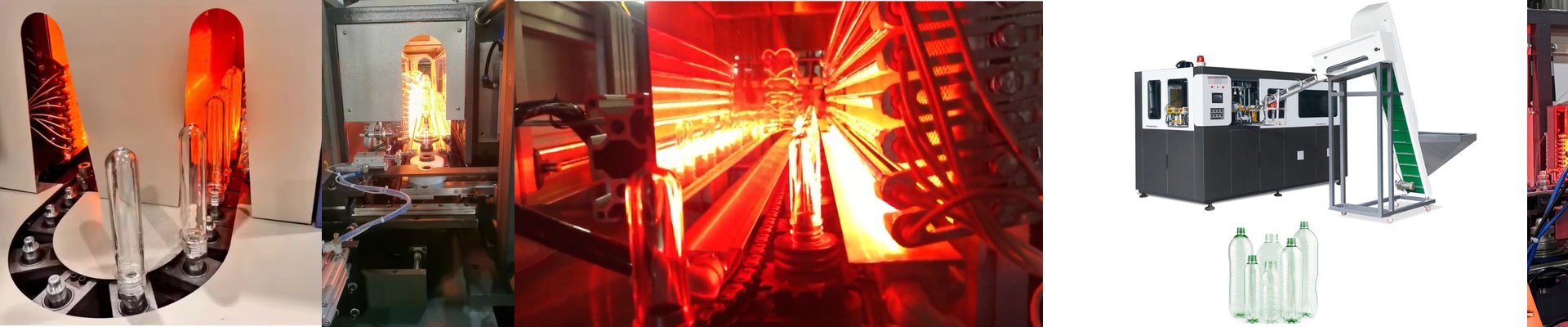
Let’s be honest: running a PET blow molding line is a constant tug-of-war. You’re always trying to balance getting the heat exactly right without burning through your lamps every few weeks. When those original lamps finally quit, you’re usually faced with a choice: pay the steep OEM price or find a replacement that actually works. That’s where we come in. We’ve built our IR lamps specifically for Sidel SBO 4/6 and Krones Contiform setups so you can keep your temperature profiles steady without breaking the bank.
The Nitty-Gritty on Heat
These machines use shortwave infrared to soften PET preforms fast. To make that happen, we use high-wattage quartz tubes. The goal is simple: get the heat to soak through the plastic wall evenly. If you’re running a 400V system, you’re getting more power density per millimeter. On a high-speed line, you need that. But here’s a tip: pushing more wattage puts more stress on your oven’s cooling fans.**Make sure your airflow is clear.**If the lamp ends overheat, you’re just asking for trouble.
Built to Last (and Fit)
We use heavy-wall quartz glass because blow molding is brutal. The lamps go through rapid heating and cooling cycles that would crack cheaper glass. Plus, we use a halogen gas fill. This stops the tungsten filament from evaporating too quickly, which means your light output stays consistent for thousands of hours. As for the install? It’s easy. We use standard R7s or Sk15 bases. They just slide right into your existing holders.**No rewiring. No headaches.**You can swap them out during a quick maintenance window and get back to work.
The Trade-off
Look, moving away from OEM parts saves you a lot of money. But there’s a catch with some generic lamps—the spectral output can be all over the place. If the wavelength is slightly off, you’ll end up with cold spots in your preform. That leads to bottles with uneven walls, which usually means rejected product. We’ve calibrated our tubes to match the specific absorption peak of PET. Still, it’s a good habit to check your tempering zones after you pop in new lamps. Just a quick verify to make sure the heat profile is exactly where it needs to be.