Getting Your Rotary Oven to Actually Bake Evenly
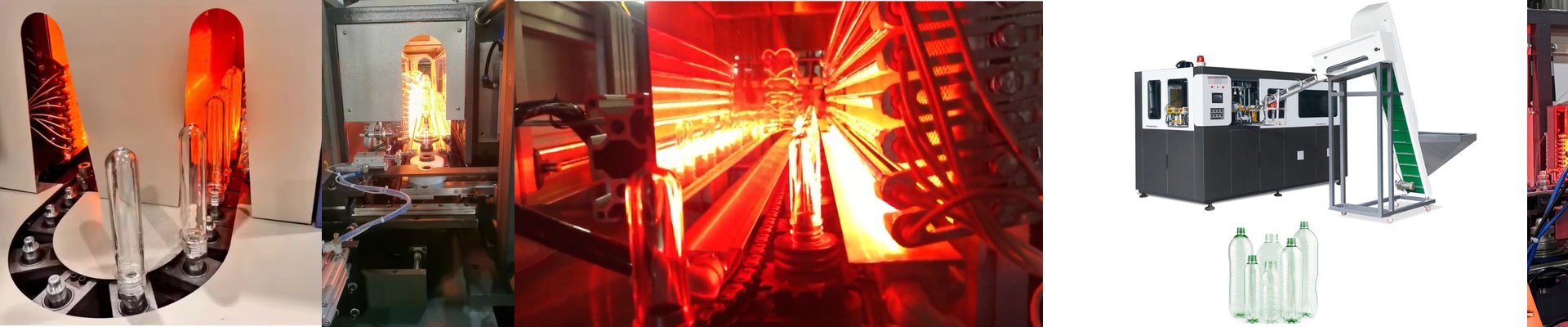
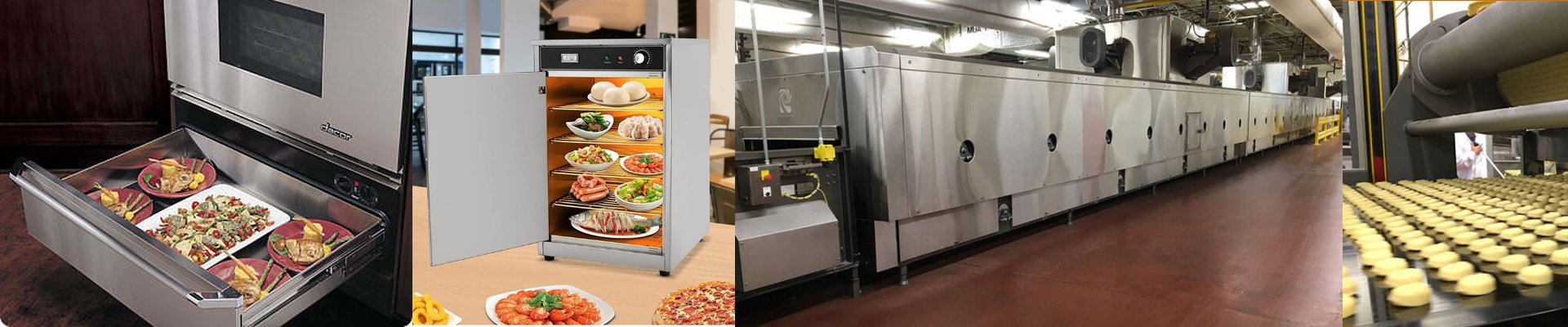
Let’s be honest: getting every single loaf to come out the same in a rotary oven is a total pain. You’ve got a rack spinning in circles and a heat source that stays put. If you aren’t careful, you end up with “cold spots”—which is basically a baker’s nightmare. To fix this, we lean on short-wave infrared (IR) lamps. Most people think about convection and moving air, but IR is different. It’s all about radiation. It hits the dough directly. How we get that 360-degree coverage We don’t just throw these lamps in randomly. We array them strategically around the chamber. As the rack spins, the bread basically “bathes” in the heat. It’s a cumulative effect. The short-wave radiation hits the surface fast. That’s what gives you that perfect, consistent crust (the Maillard reaction, for the science nerds) without having to pray the air is moving in the right direction. We use high-density quartz glass for these lamps. Why? Because it lets the heat punch through the gap between the wall and the rack. It doesn’t just waste energy heating up the oven walls; it goes straight into the bread. The gear under the hood Most of our setups run on halogen-filled quartz tubes. We wire them for high wattage because we need that thermal inertia—basically, we want the oven to hold its heat and not dip every time you open the door. If you’re running a massive industrial operation, you’re probably looking at R7s or Sk15 connectors. They’re great because they’re simple drop-in replacements. Plus, they can handle the quartz tube expanding and contracting as it heats up without losing the electrical connection. We also use special coatings on the quartz. This shifts the heat spectrum so it doesn’t just sear the outside of the loaf. It actually gets deep into the crumb. The trade-offs (The “Gotchas”) Here’s the thing: high-wattage IR lamps pack a serious punch. That’s awesome for getting more bread out the door, but it puts a lot of stress on your controls. You can’t just “set it and forget it.” You need sharp PID controllers and fast relays, or you’ll overshoot your temp and end up with burnt edges. And a word of warning: check your cooling fans and venting. These lamps generate a ton of ambient heat. If your ventilation isn’t up to the task, you’re looking at warped chassis or, even worse, fried wiring. It’s a powerful system, but you’ve got to respect the heat.