Getting Your Kitchen Heat Exactly Right
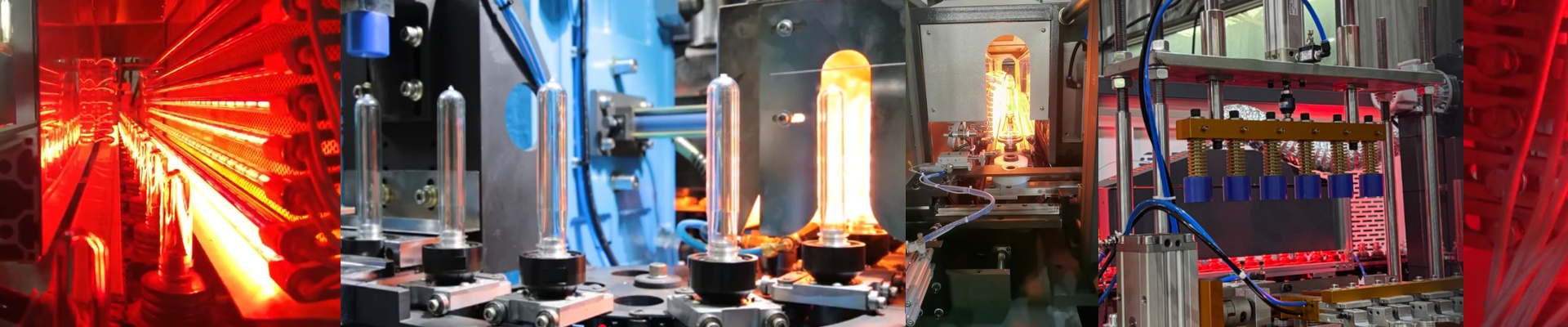
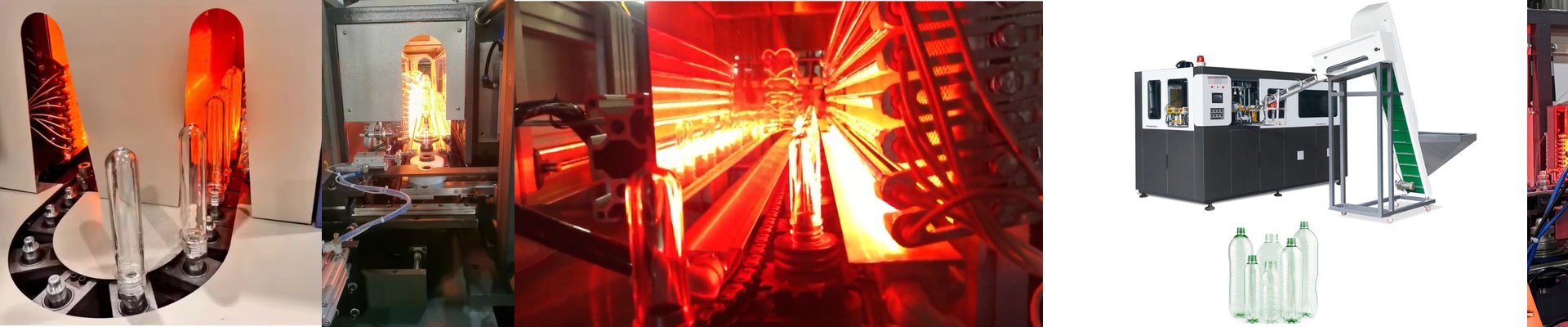
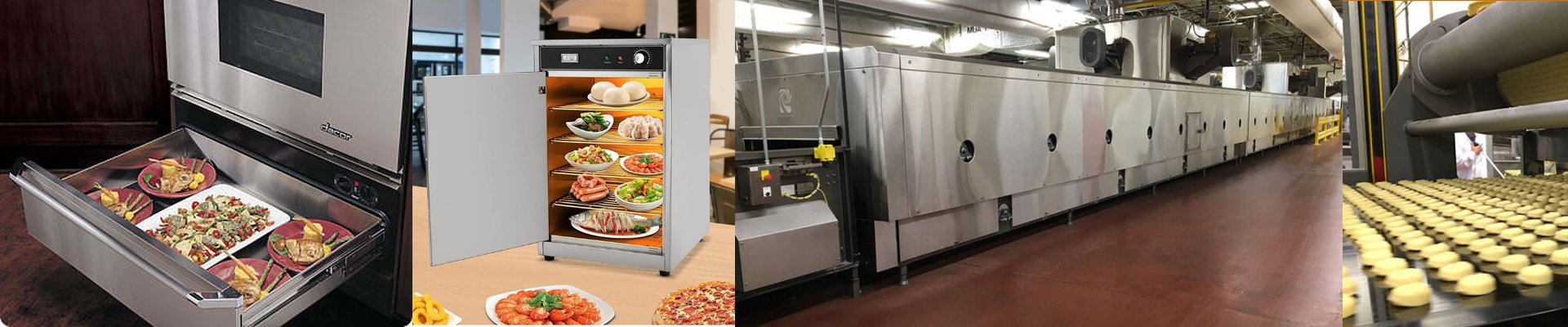
If you’re building an automated kitchen, you know that speed is everything. But speed is useless if you’re burning the edges of the food while the middle stays cold. That’s where short-wave infrared (IR) lamps come in. Unlike a standard oven that just blows hot air around, IR hits the food directly. It’s fast. Really fast.
Stopping the “Burn Out”
Here is the thing: you can’t just plug these lamps in and hope for the best. If you just flip a switch, you’ll overshoot your temperature every single time. We handle this by using PWM or thyristor controllers. Think of it like a dimmer switch for your heat. By pairing the lamps with K-type thermocouples or IR sensors, the system constantly tweaks the power in real-time. You get a steady, controlled heat instead of that scorched, “burnt-to-a-crisp” disaster you get with cheap heating elements.
Built for Your Specific Rig
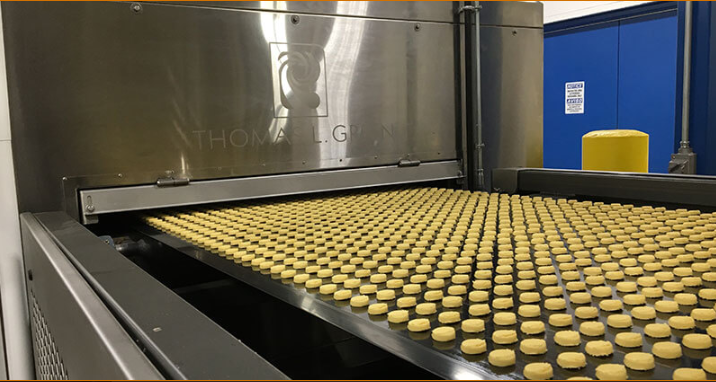
Every machine is different. Your conveyor might move at a crawl or it might be flying. We look at your footprint and your belt speed to figure out the right wattage and length. We want that food hitting the perfect core temperature exactly as it exits the zone. Plus, we don’t believe in “one size fits all.” Whether you need specific connectors or you’re trying to keep your cables thin by optimizing for high-voltage lines, we can tweak the specs to fit your existing wiring. It just works.
The Heat Trade-off
Now, a word of caution. High-wattage lamps put out a massive amount of energy. If you cram them into a tight space without a plan for ventilation, you’re going to have a bad time. Without proper heat sinks or exhaust fans, you risk actually warping your aluminum housing. It’s a balancing act—you need the power to cook the food, but you need the cooling to keep your machine from melting down.
Keeping it Running
We designed these to be drop-in replacements. When a lamp finally gives out, you don’t want your whole line down for hours. We use standard sockets so you can swap them out in a flash. One last tip:get your alignment right. If the lamps are crooked, you’ll get cold spots. Then, the temptation is to crank up the heat to fix it, which just leads to charred surfaces. Line them up properly, and everything cooks evenly. Simple as that.