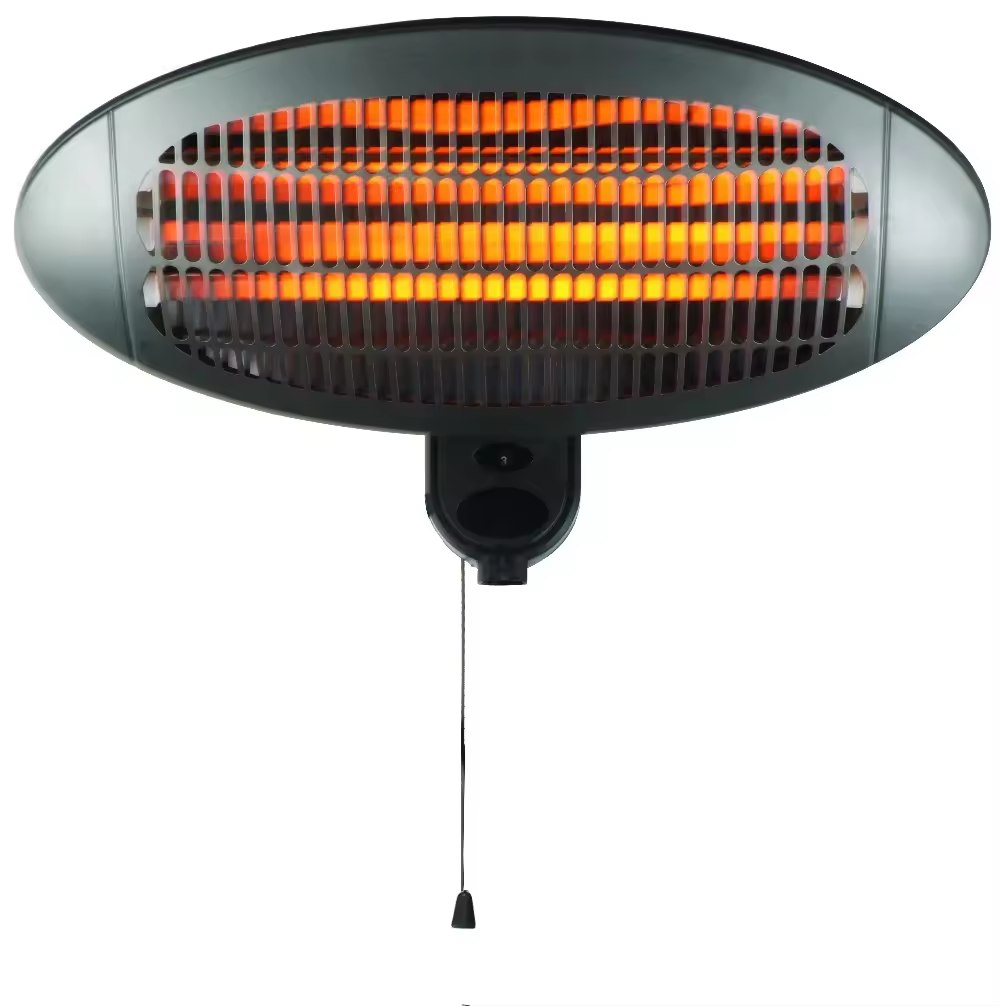
Why we stopped building “permanent” patio heaters
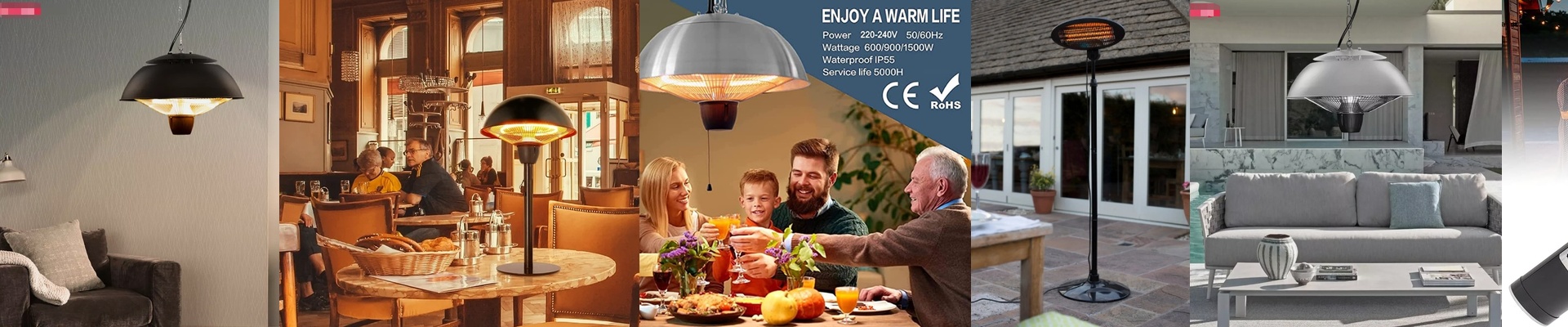
If you’ve ever managed a nightclub patio, you know it’s a war zone. Between the humidity, the spilled drinks, and the random rainstorms, your equipment takes a beating. But the real nightmare isn’t the weather. It’s that five-year maintenance wall. For a long time, most infrared heaters were built as one big, integrated chunk. When a heating tube finally gave out after a few seasons, you were stuck. You usually had to rip out the entire head or spend hours tearing the whole chassis apart just to fix one part. It’s a waste of hardware and a massive waste of time. We got tired of that. So we changed how we build them. The “Slide-In” Approach We started treating the infrared tube like a battery or a lightbulb—something you just swap out when it’s done. Instead of complex wiring, we use a slide-in bracket system. When a tube dies, you don’t need to call in a specialist or rewire the whole unit. You just pop open the waterproof casing, slide the dead tube out, and drop a new one in. It takes minutes. We also used standardized connectors, so the new element just clicks into place. No guessing, no struggling with screws. Any member of your maintenance crew can handle it without breaking a sweat. The Trade-off (and how we fix it) Now, here’s the honest part: adding more joints to a design usually means more places for water to sneak in. To stop that, we use compression gaskets and IP-rated seals around the housing. It keeps the guts of the heater dry even when things get messy outside. That said, these seals aren’t magic. They can wear down. I always tell people to give the gaskets a quick look once a year during the off-season. If a seal has perished, moisture can hit the terminals and cause a short. A two-minute visual check saves you a huge headache later. At the end of the day, it just makes more financial sense. You’re spending $50 on a replacement tube instead of $500 on a whole new assembly. It’s just simpler.