Why Your Outdoor Heater Needs Explosion-Proof Quartz
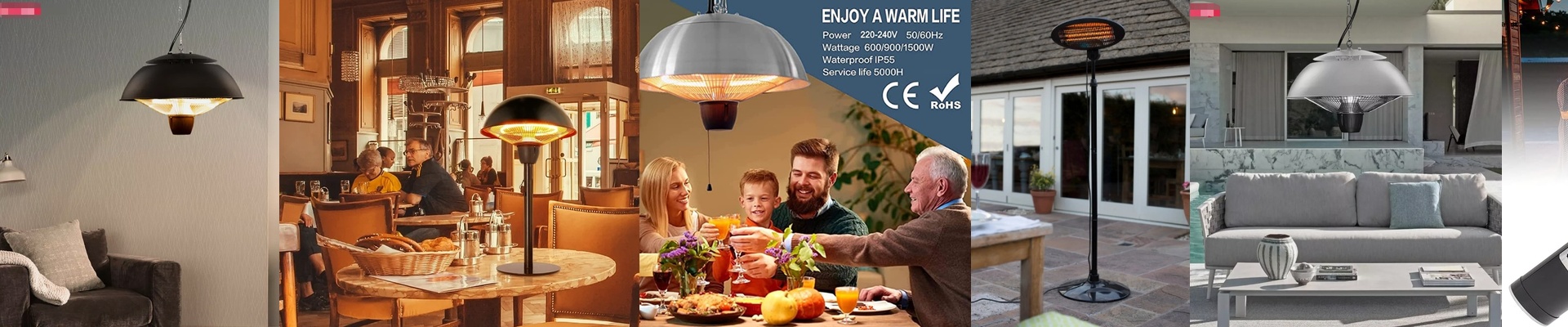
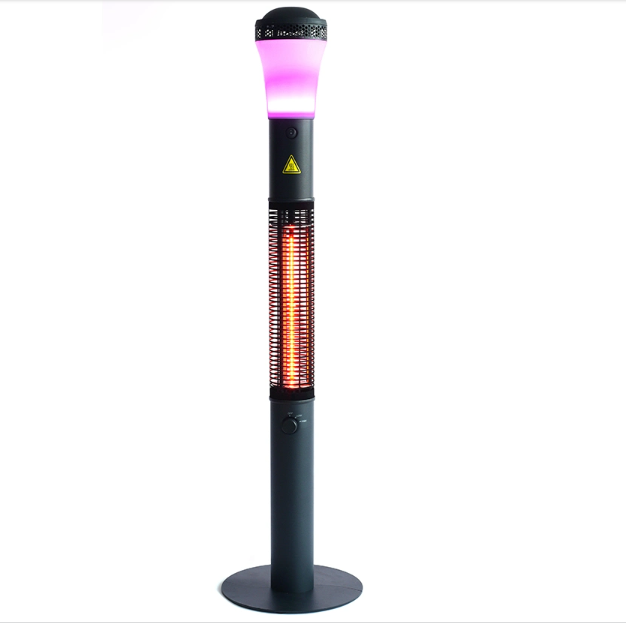
If you’ve ever put an infrared heater in a bathroom or a backyard pergola, you know the vibe. It’s cozy, it’s warm, and it feels great. But there’s a hidden problem: moisture. When you’ve got a heater running at several hundred degrees and a random splash of cold water hits it, things can go south fast. Standard quartz tubes just can’t handle that. They shatter. That’s why we use explosion-proof quartz glass. It keeps the tube from popping when it gets hit by a cold droplet. The “Thermal Shock” Problem Here is the thing about glass. Even quartz, which is usually pretty tough, has a breaking point. Imagine a freezing drop of water hitting a glowing hot lamp. That sudden temperature swing creates a massive amount of tension in the glass. If the material isn’t specifically treated for this, it cracks. Simple as that. By using explosion-proof glass, we make sure the heating element stays sealed off from the damp air. No cracks means no short circuits, and definitely no electrical scares. How the Heat Actually Works These lamps use short-wave infrared radiation. In plain English? The heat goes straight into your skin or the furniture around you. It doesn’t waste time heating up the air. This is the only real way to stay warm in a drafty bathroom or an open-air pergola where the wind just blows the heat away. To make this work, we use high-purity silica glass so the IR energy gets through without getting blocked. A Few Things to Watch Out For Now, you can’t just plug these into any old outlet and call it a day. These units pull a lot of power to get that instant heat. If your wiring isn’t thick enough, you’ll see a voltage drop, and the heater won’t perform. And while the glass is “explosion-proof,” the whole unit isn’t bulletproof. You still need a proper IP-rated housing to keep water away from the electrical terminals. If the housing leaks, the quartz tube will be fine, but your connectors will corrode and burn out. It’s all about protecting the guts of the machine.