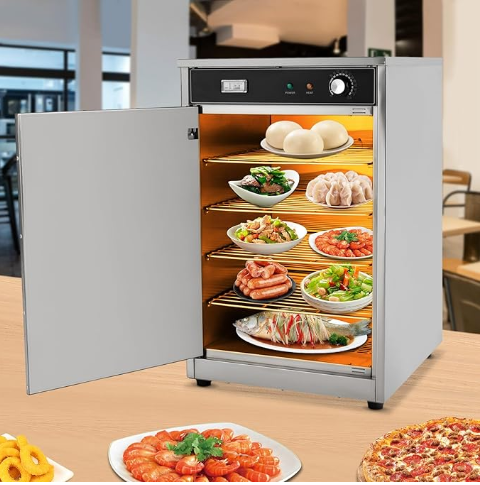
Why We Use Frosted Quartz in Our Infrared Heaters
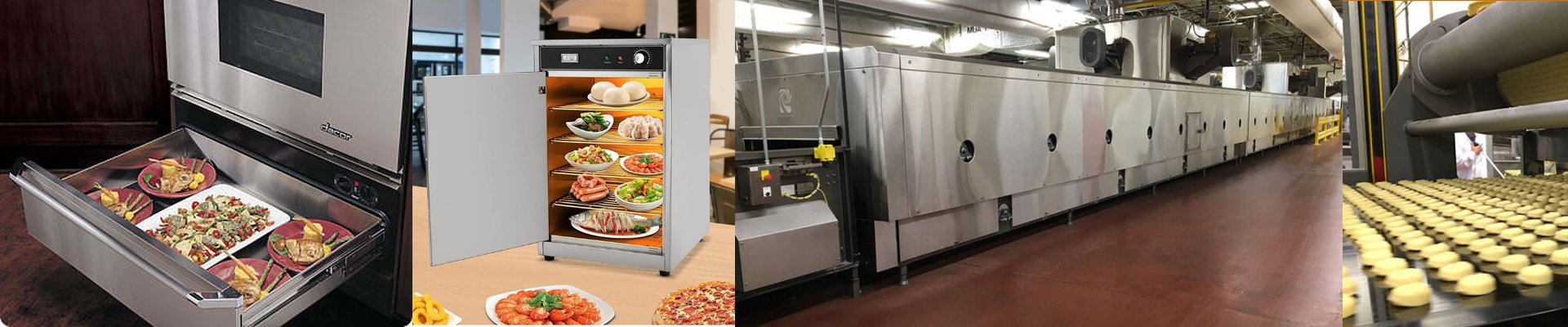
Most ovens just blow hot air around. That works, but it has a habit of scorching the outside of your food before the middle is even warm. To fix that, we pair standard convection with frosted quartz infrared lamps. Think of it this way: the hot air handles the general temperature, but the infrared light goes straight for the molecules inside the food.
The Secret is in the “Frost”
If you use a clear quartz lamp, you get a narrow, concentrated beam of heat. It’s too intense. You end up with “hot spots”—those annoying burnt patches on your crust. We use a frosted finish to scatter that light. It spreads the heat out, making it more uniform. Because the energy is diffused, it can actually sink deeper into the food instead of just frying the surface.
Getting the Balance Right
The goal is simple: a perfect sear on the outside and a fully cooked center. Short-wave infrared is great because it moves fast. When you add a convection fan into the mix, the air blows away that layer of steam and moisture that usually clings to the food. This clears the path, letting the IR radiation keep pushing heat right into the core. But you have to be careful with the wattage. If you go overboard with the lamps for the size of your oven, you’ll burn the crust to a crisp before the center even gets warm. It’s all about the balance.
A Few Things to Watch Out For
Placing these lamps isn’t a “set it and forget it” deal. If the tubes are too close to the racks, the heat is just too intense for the food to handle. And a heads-up on the hardware: quartz is fragile. If you’re cleaning and you blast a hot lamp with cold water, it’ll crack. Simple as that. Give them time to cool down first. Also, make sure you’re using high-temperature leads for the wiring. You don’t want your insulation melting away right where the lamp ends.