Stop fighting the draft: A better way to heat changing rooms
If you’ve ever spent time in a changing room, you know the struggle. Between the open vents and people constantly walking in and out, the heat just vanishes. Most people try to fix this by cranking up the air heating, but that’s a losing battle. You’re basically trying to heat the hallway. We do things differently. Instead of fighting the air, we use shortwave infrared (IR) to heat the things that actually matter: the people and the towels.
Heat that actually hits you
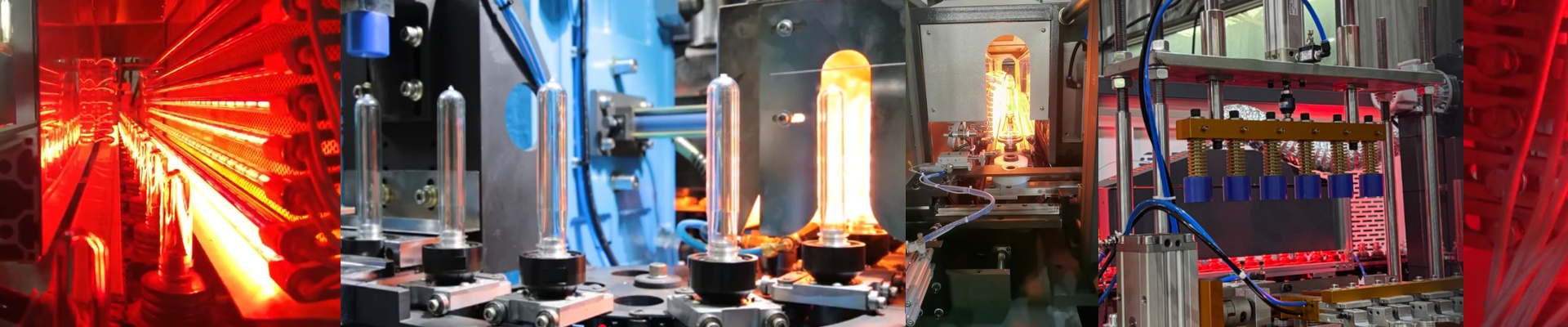
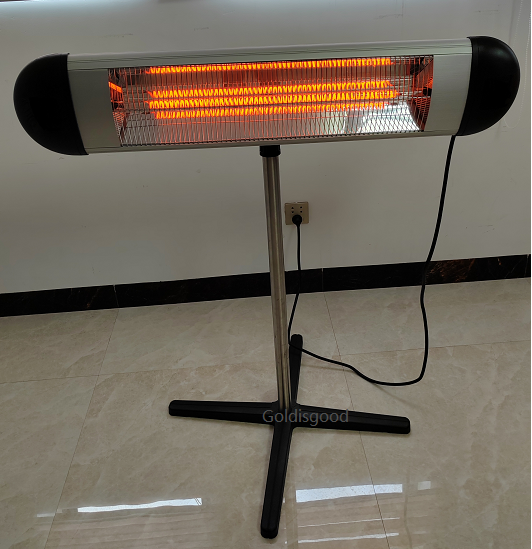
Think about those old water-filled towel rails. You turn them on and then… you wait. And wait. It takes forever for that heat to creep through the metal. IR lamps are a different beast. They hit peak temperature in seconds. It’s not about warming the room; it’s about sending waves of energy straight to the surface. When those waves hit a towel or your skin, the molecules start vibrating, and you feel that warmthinstantly. It’s an intense, concentrated heat that doesn’t need a massive machine to work.
The guts of the system
Under the hood, we use high-wattage quartz elements. We tweak the length of these based on how big your space is, so you don’t end up with cold spots. We kept the hardware simple because nobody wants a nightmare when it comes to maintenance. We use standard R7s or SK15 connectors, so if a lamp finally burns out, you just pop a new one in and you’re back in business. To keep things from snapping under the heat, we use halogen-filled quartz tubes. They’re tough.
A few things to watch out for
Now, because these heaters are so powerful, you have to be smart about where you put them. If you mount the rail too close to where someone is standing, it can get too hot. You’ll end up with hotspots that feel more like a toaster than a towel rack. It’s all about finding that sweet spot with the mounting distance and the timer settings so you don’t singe the fabric. Plus, don’t just leave them running all day. We always suggest adding a motion sensor. It saves your electricity bill and keeps the lamps from wearing out prematurely. One last tip: give these their own dedicated circuit. If you string too many of these rails onto one cheap breaker, you’re going to be spending a lot of time in the dark.