Why Your Bathroom Heater Keeps Dying (And How to Fix It)
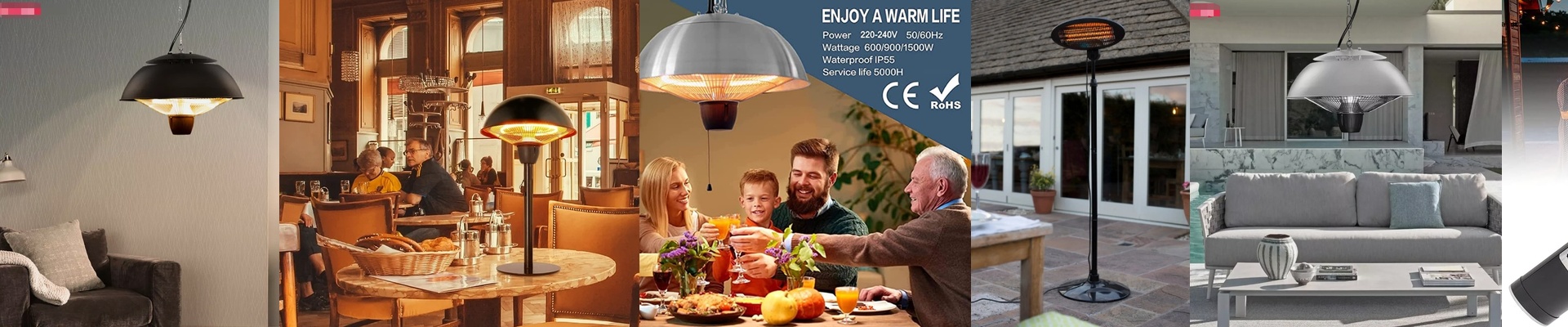
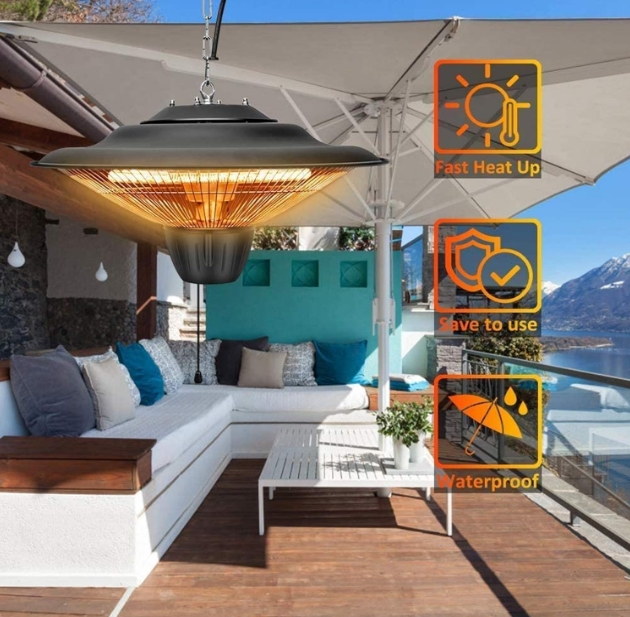
Let’s be honest: most bathroom heat lamps are a joke. You install them, they work for a while, and then the steam and splashes do their thing. A short circuit happens, the filaments corrode, and suddenly you’re shivering in a cold room again. It’s frustrating. But there’s a better way to do this. Heat the person, not the air. Most old-school heaters try to warm up the air in the room. But if you’ve got a draft or a window cracked open, that heat just vanishes. It’s like trying to fill a bucket with a hole in the bottom. Infrared is different. Instead of fighting the air, it sends out waves that hit you and the walls directly. You feel the warmth the second you flip the switch. No more waiting twenty minutes for the room to “warm up,” which also means your circuit breaker isn’t screaming for mercy. The “Waterproof” Trap Here is the thing about bathrooms: a plastic cover isn’t actually “waterproof.” If you’re putting a heater near a shower, you need a high IP rating. If you don’t have that, moisture creeps into the housing, the voltage spikes, and—pop—your element is gone. We use silicone gaskets and sealed glass to keep the water out of the quartz tubes and electrical terminals. It’s the difference between a heater that lasts a season and one that lasts for years. A Quick Warning on Wiring If you’re swapping out an old fixture, keep this in mind: these high-wattage units pull a lot of power. You can’t just plug these into an ancient 10A circuit and hope for the best. Check your wiring gauge first. You don’t want your walls overheating because the wires are too thin for the load. But once you’ve got the power sorted? It’s a dream. No rust, no annoying flickering, just steady, reliable heat. As long as your bathroom fan is doing its job to clear out the steam, these things just keep humming along.