Getting Your Oven to 300°C in Seconds
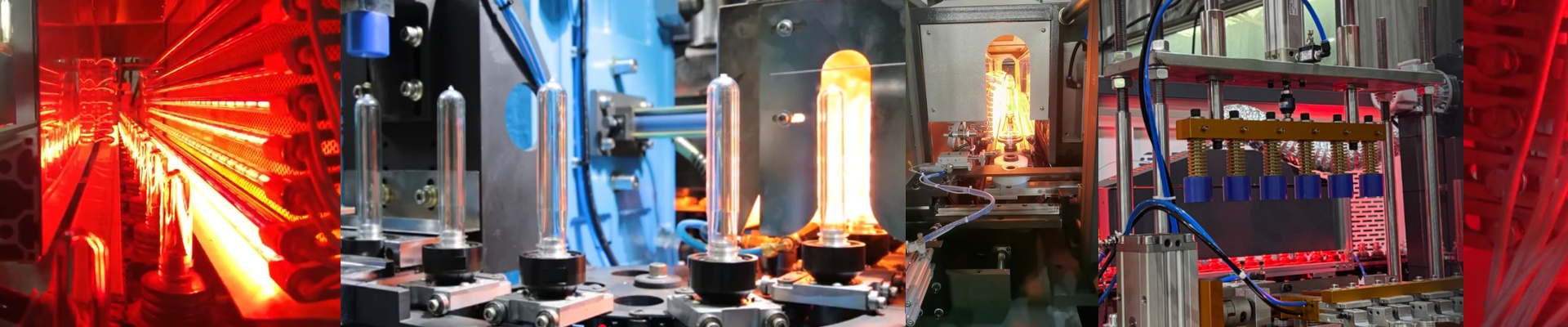
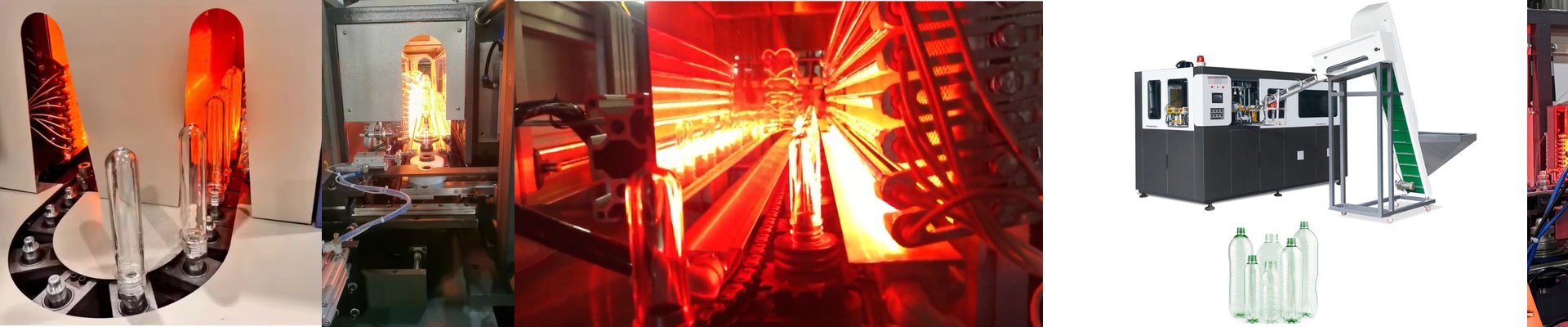
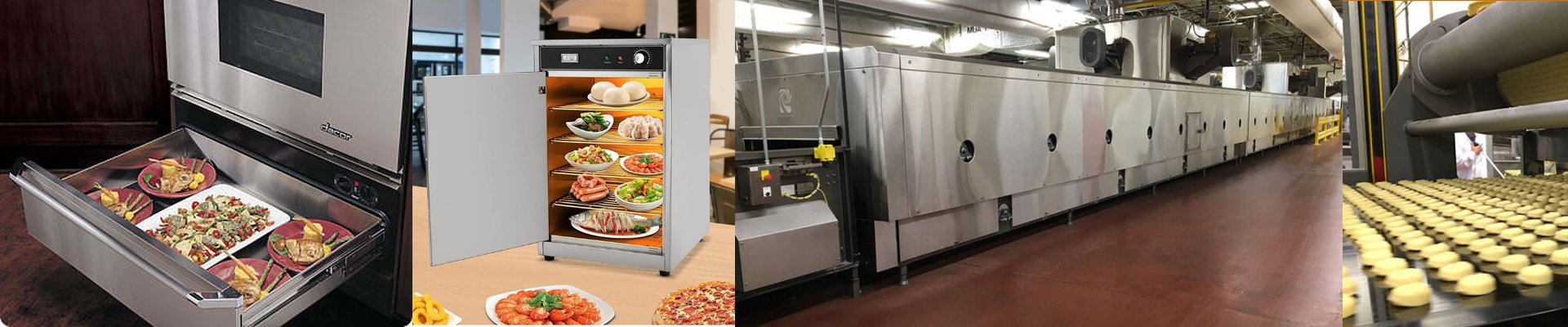
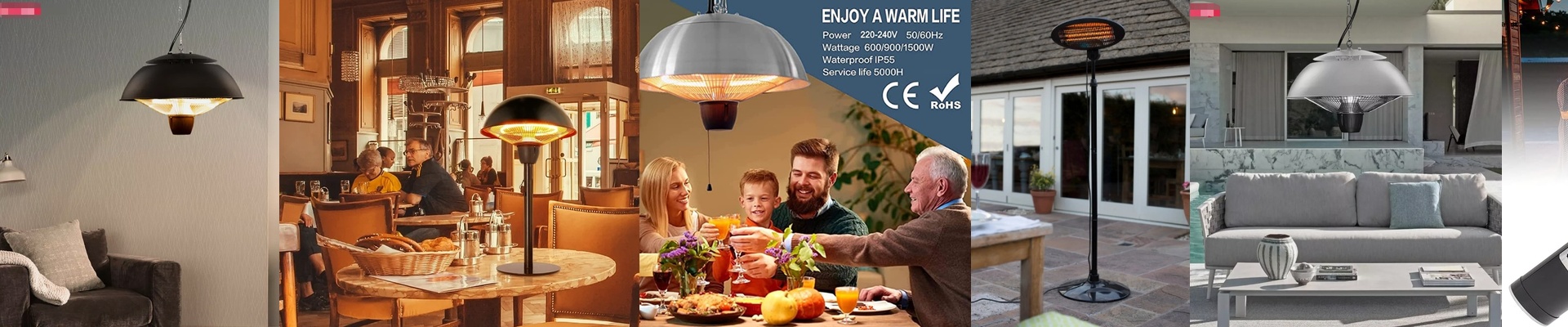
Most convection ovens are slow. You flip the switch, go grab a coffee, maybe check your email, and then you come back to see if it’s finally hit the target temperature. That’s because they rely on heating the air first, and air is just a sluggish medium. If you want to hit 300°C almost instantly, you have to stop trying to heat the air. Instead, we use short-wave infrared (SWIR) quartz elements. Basically, we’re skipping the middleman and beaming the heat directly onto the product. Why it actually works Inside these elements is a tungsten filament wrapped in high-purity quartz. Unlike those thick, clunky heating rods that take forever to warm up, these filaments have almost no thermal mass. They don’t need to “soak” in heat. The moment you hit the power, they glow white-hot. Just like that. You go from room temperature to 300°C without that annoying 15-minute preheat cycle. It’s a massive time-saver. The nuts and bolts The quartz isn’t just for show. It keeps the filament from burning out while letting the infrared rays pass straight through. If you’re looking to swap these into an existing setup, we usually use R7s or Sk15 connectors. They’re pretty standard, so they usually slide right into most industrial layouts without a fight. One quick tip: keep an eye on your voltage drop. If you’re running high-wattage tubes with long wires, make sure your gauge is thick enough. You don’t want your terminals overheating because the wiring can’t handle the current. The catch (and how to fix it) Now, this kind of speed comes with a trade-off: the heat is incredibly concentrated. Because you’re dumping so much energy into a small area, it’s easy to scorch the surface of whatever you’re heating. To stop that from happening, you need a high-CFM blower to move the air around and spread that radiant heat. Otherwise, you’ll end up with nasty hot spots. You’ll also want a fast PID loop on your control board. Without it, the oven might fly right past 300°C before the system can tell it to throttle back.