Keeping Halogen Lamps Alive in Steam Ovens
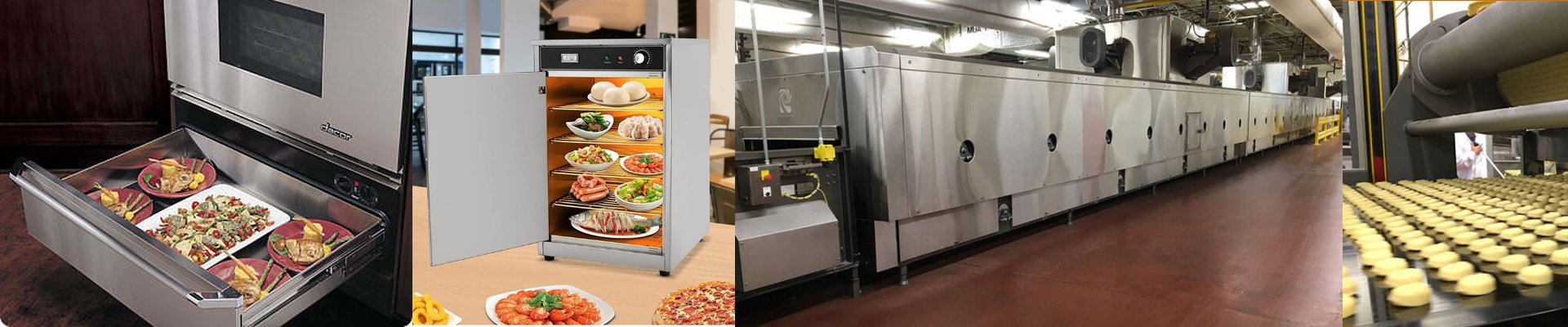
Putting a halogen bulb inside a steam oven is basically like asking it to survive a torture chamber. You’ve got thick humidity and wild temperature swings hitting the glass over and over again. If you want those lamps to actually last, you have to obsess over two things: the seal and how the glass handles the shock. Dealing with the Heat To get that instant heat, you need a lot of power packed into a tiny space. That’s where the tungsten filament and halogen gas cycle come in. Basically, the gas pushes evaporated tungsten back onto the filament so the bulb doesn’t just burn itself out. But here’s the catch: your voltage needs to stay steady. If you get a sudden spike? Pop. The filament is gone. The Battle Against Moisture Steam is a nightmare for electronics. We stick with high-purity quartz glass because it doesn’t crack when the lamp flicks on and off rapidly—which happens constantly in buffet setups. The real danger zone is the seal where the electrodes meet the glass. That’s usually where things go wrong. If that seal lets in even a tiny bit of moisture, the halogen gas leaks out, the filament oxidizes, and the whole thing dies in seconds. It’s fast. Brutal. Fitting Them In The great thing about these lamps is that they heat up immediately. You don’t have to wait for the entire oven chassis to warm up, and you can control specific zones exactly how you want them. Just a heads-up, though: these bulbs get hot. Like, really hot. If your housing isn’t properly vented or made from the right heat-resistant alloys, you’re going to warp your frame. You get the speed of infrared heating, but you’ve got to make sure your machine’s structure can actually handle that kind of concentrated heat.