Why Your Deck Oven Needs Fast-Response IR Heating
If you run a commercial kitchen, you know the struggle with temperature swings. You’re flipping heating elements on and off hundreds of times a day, but traditional elements are slow. They have this annoying “thermal lag” that leads to uneven bakes—or worse, food safety headaches. We fixed this by switching to short-wave infrared (IR) quartz technology.
Heat that actually hits the food
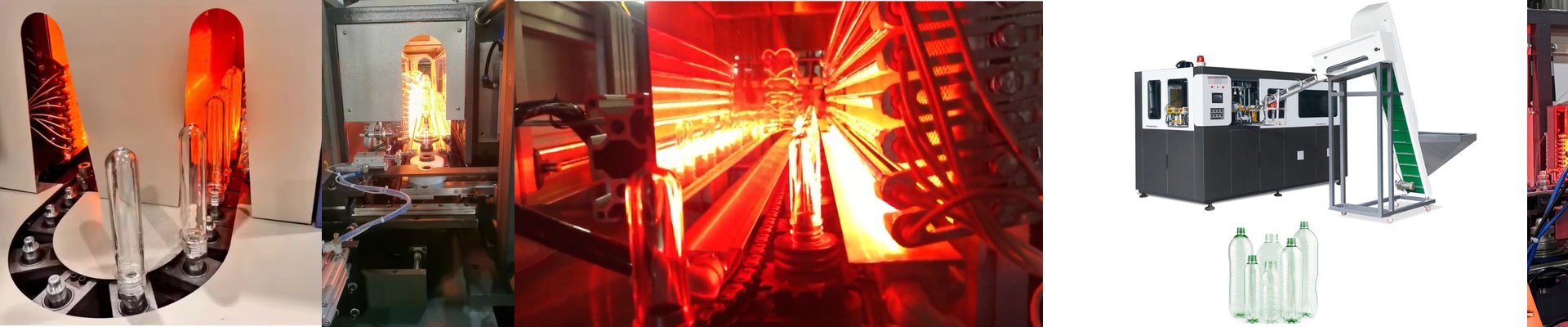
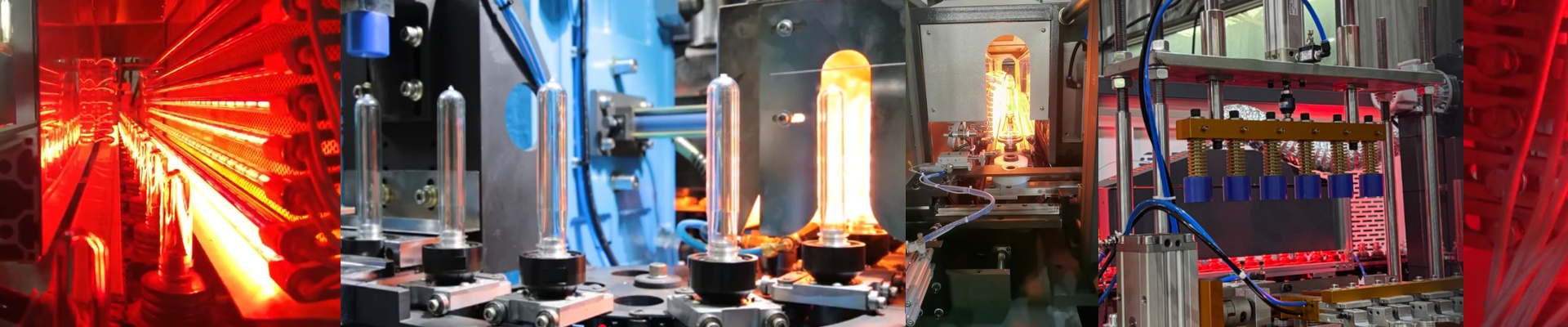
Most heating coils rely on convection. That’s a slow process. Our IR tubes work differently; they use direct radiation. The tungsten filament inside hits its peak temperature almost the second you flip the switch. Because we use a high-purity quartz envelope, the IR spectrum just slides right through without getting trapped. It’s fast. Really fast. Instead of waiting for the entire oven cavity to warm up, the heat hits the surface of your food immediately.
Surviving the grind
Constantly cycling power is brutal on equipment. It creates massive thermal shock. Cheap tubes usually give up—they either crack at the seal or the filament just burns out. To stop that from happening, we fill our tubes with a specialized halogen gas. This spreads the heat evenly across the filament so you don’t get those deadly “hot spots” that eat away at the tungsten. One quick tip: make sure your controllers are up to the task. If you use a low-quality SCR, you’ll get flickering. That might not seem like a big deal, but it puts a lot of unnecessary stress on the filament.
Getting it set up
These tubes pack a huge amount of heat into a tiny footprint, and they usually drop right into most industrial deck oven arrays without any fuss. But here’s the thing: since they react so quickly, you have to be precise with your PID tuning. If your controller is too aggressive, you’ll overshoot your target temperature before you know it. I recommend placing your sensors as close to the heat source as possible. It keeps the feedback loop tight and ensures everything stays within safety standards.