Getting the Heat Right in High-Stakes Baking
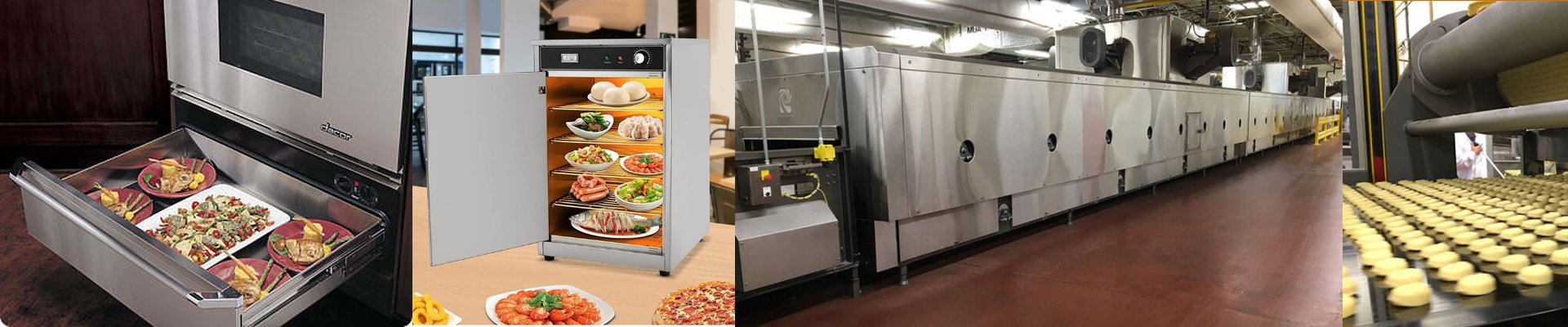
If you’re serious about high-end baking, you know that just setting a dial to 400°F isn’t enough. You need to move the heat in specific steps. It’s all about how you handle the crust and the crumb. The problem? Most heating elements are too sluggish. By the time a standard tube actually hits the temperature you want, it’s already pushed too far. You’ve overshot your mark, and your pastry pays the price.
The Secret to Instant Response
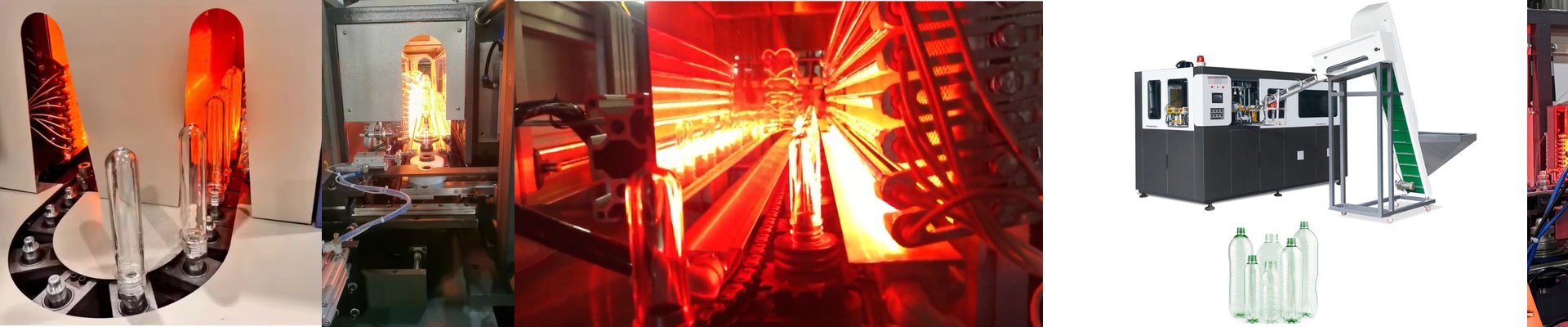
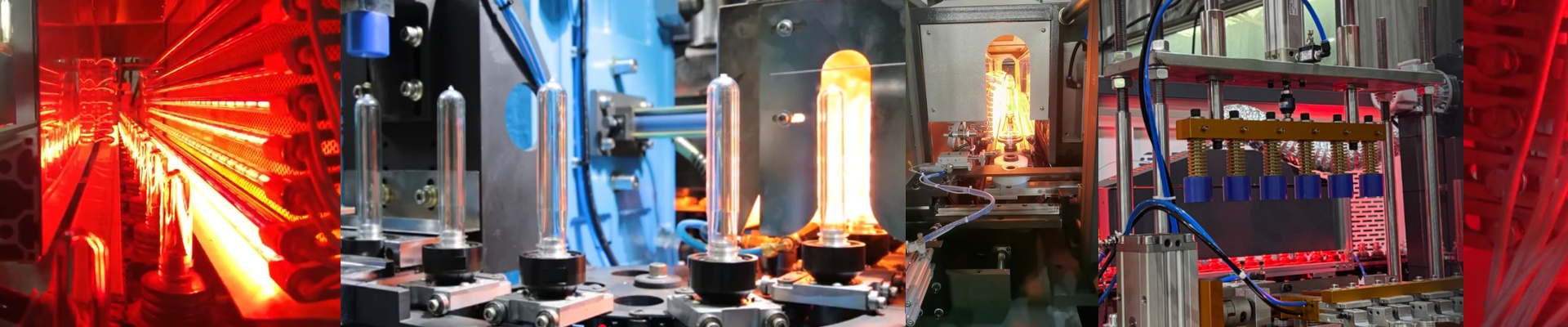
To get those lightning-fast start-stop cycles, we use heating tubes with low thermal mass. Here’s why that matters: when you kill the power, the heat stops almost instantly. No more “heat soak” lingering in the element and ruining a delicate batch. We’ve built these tubes to handle that kind of rapid-fire cycling without the filament snapping. Imagine being able to trigger a heat spike, hold it for exactly three seconds, and shut it down before the oven air even has a chance to drift. It gives you the soul of a traditional stone oven, but with the surgical precision of a computer.
The Hardware Reality Check
You can’t just plug these into any old switch. You’ll need a fast-switching SSR (Solid State Relay) or a high-frequency PID controller. If you try to use a mechanical contactor, the constant clicking will chew through the part in a matter of weeks. It’s just too much work for a mechanical switch. But there is a trade-off: heat density. Because these tubes are built for speed, they pack a lot of punch into a small space. You have to get your airflow and ventilation exactly right. If the air stays still, you’ll get hot spots that torch your product.
Dialing in the Curve
We’ve found the best results happen when you put high-accuracy thermocouples right next to the food. This creates a tight feedback loop. Instead of a lazy, gradual slope in temperature, you get a sharp, clean stair-step. It’s the only way to nail that transition from steam to dry heat without losing the lift in your dough.