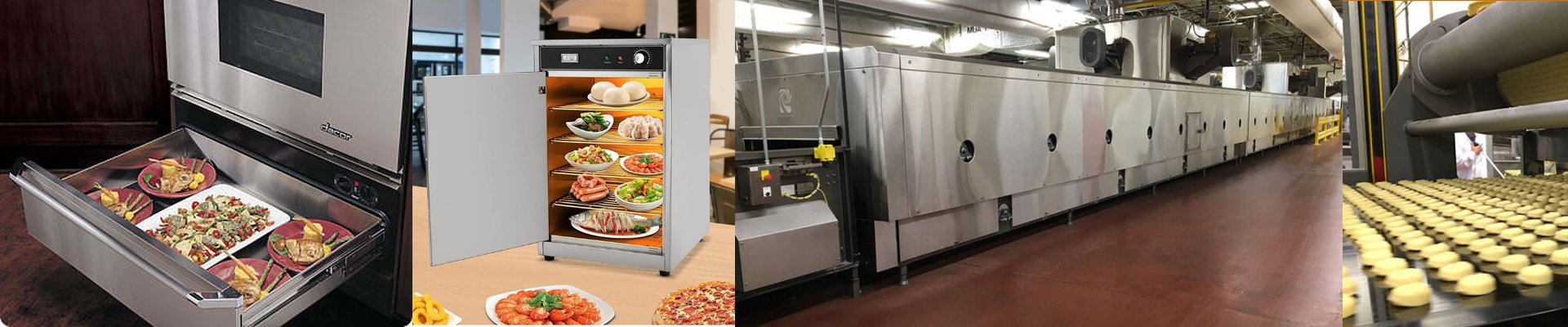
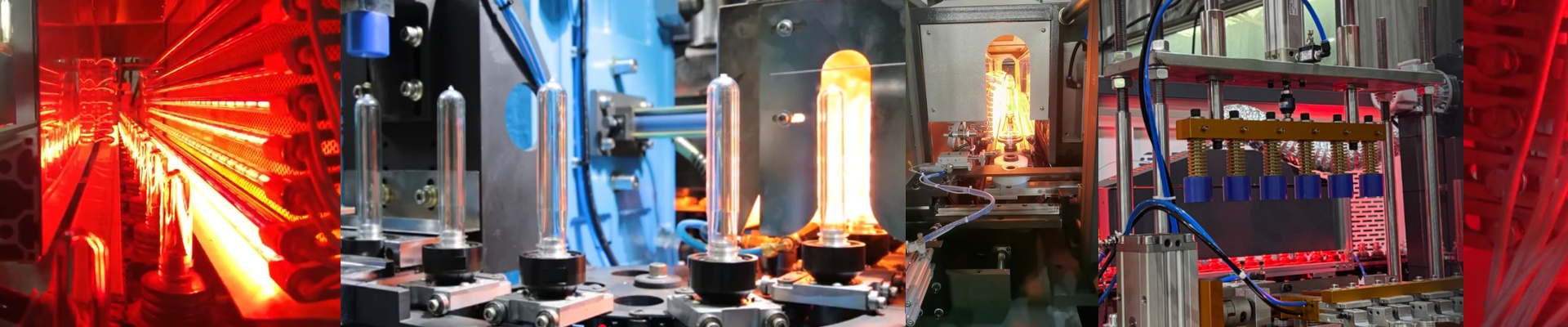
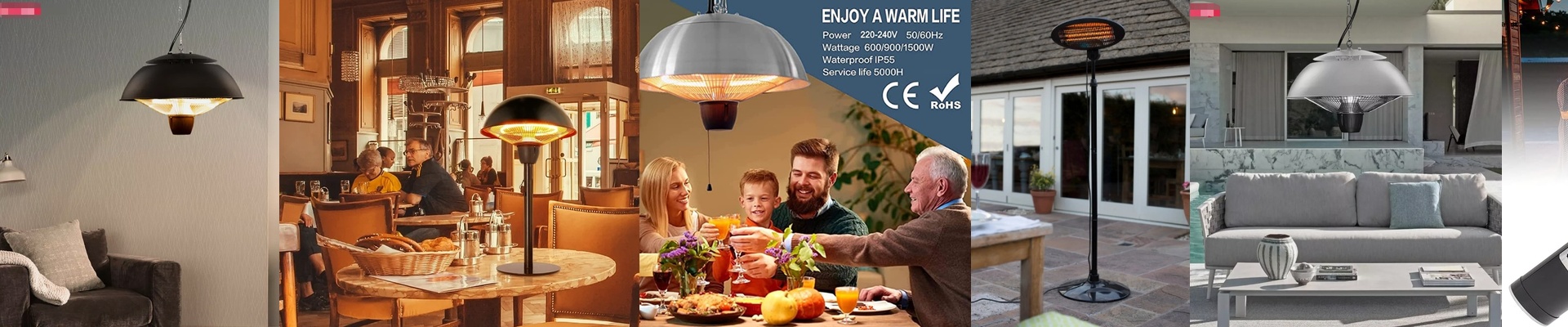
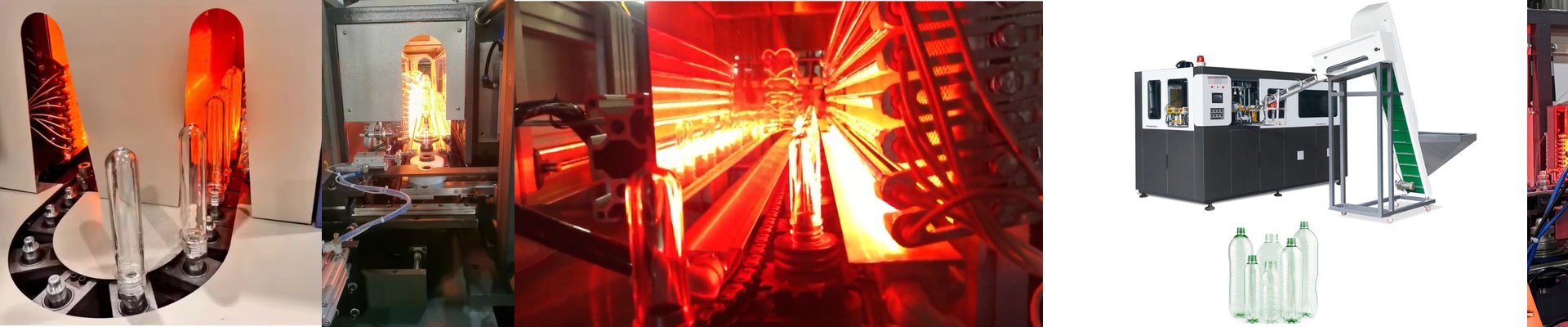
IR Heating vs. The Old-School Resistance Wire
Most rotary ovens are still stuck in the past, using those traditional resistance wires. The way they work is kind of a drag: they heat up the air, and then the air eventually heats up your product. It’s indirect. It’s slow. And honestly? It wastes a ton of power. We do things differently with infrared (IR) elements. Instead of playing around with the air, IR sends electromagnetic radiation straight to the target. You aren’t sitting around waiting for the oven to “warm up.” You just get to work. The bottom line on power Resistance wires take forever to ramp up. You end up heating the entire cavern of the oven just to cure one specific part. It’s overkill. IR hits the surface instantly. That means your pre-heating time vanishes and your kWh per cycle drops. If you’re running a high-volume line, you’ll see that difference on your electric bill almost immediately. It’s a relief, really. Getting it to work in a rotary setup Now, you can’t just swap a wire for a lamp and call it a day. The layout has to change. We look at how much heat you actually need and exactly how far the lamp sits from the part. Since IR is directional—meaning it beams heat in a specific path—we have to be smart about where the lamps go. You don’t want cold spots while your part is spinning. We usually use quartz envelopes to protect the filaments. They can handle much higher temperatures than standard wire, which gives you a much tighter, more controlled heat footprint. The honest trade-offs Look, IR isn’t a magic wand for every single process. There are some things to watch out for. For one, these lamps are a bit more delicate than a chunky resistance coil. If your rotary machine vibrates too much or takes a few mechanical hits, those lamps can break. You also have to keep a close eye on your controls. IR reacts fast—really fast. If you don’t tune the wattage and the distance just right, you risk scorching the outside of the part before the core is even cured. It takes a little bit of finesse, but once you nail it, the results are worth it.