
Winter hits, and you feel it right away—that sharp bite that works its way into your bones and steals the comfort of your own place. Conventional heaters just move air around, kicking up dust and drying things out, while the cold keeps lingering in corners and under tables. You don’t need heat for the sake of heat. You need warmth that actually reaches you, keeps your family comfortable, and stops the season from turning into a daily grind.
What matters, under the hood
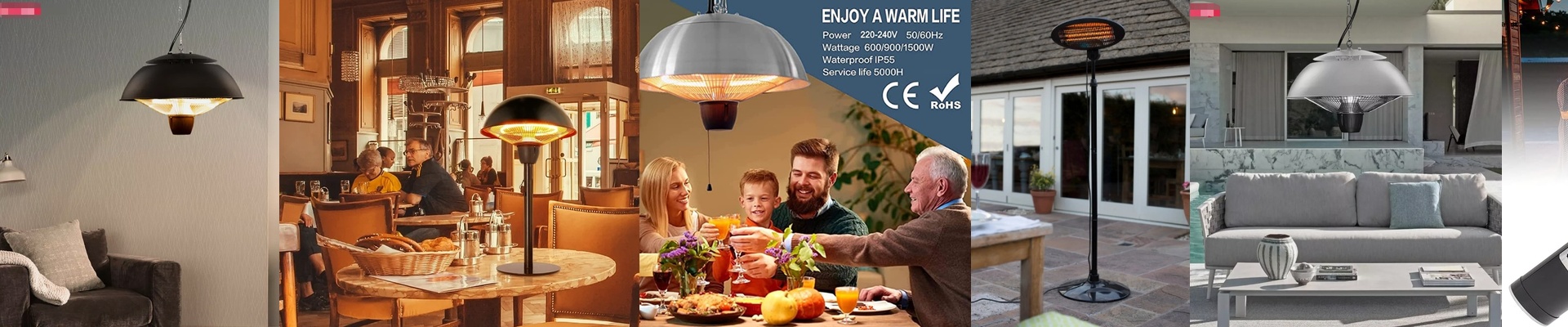
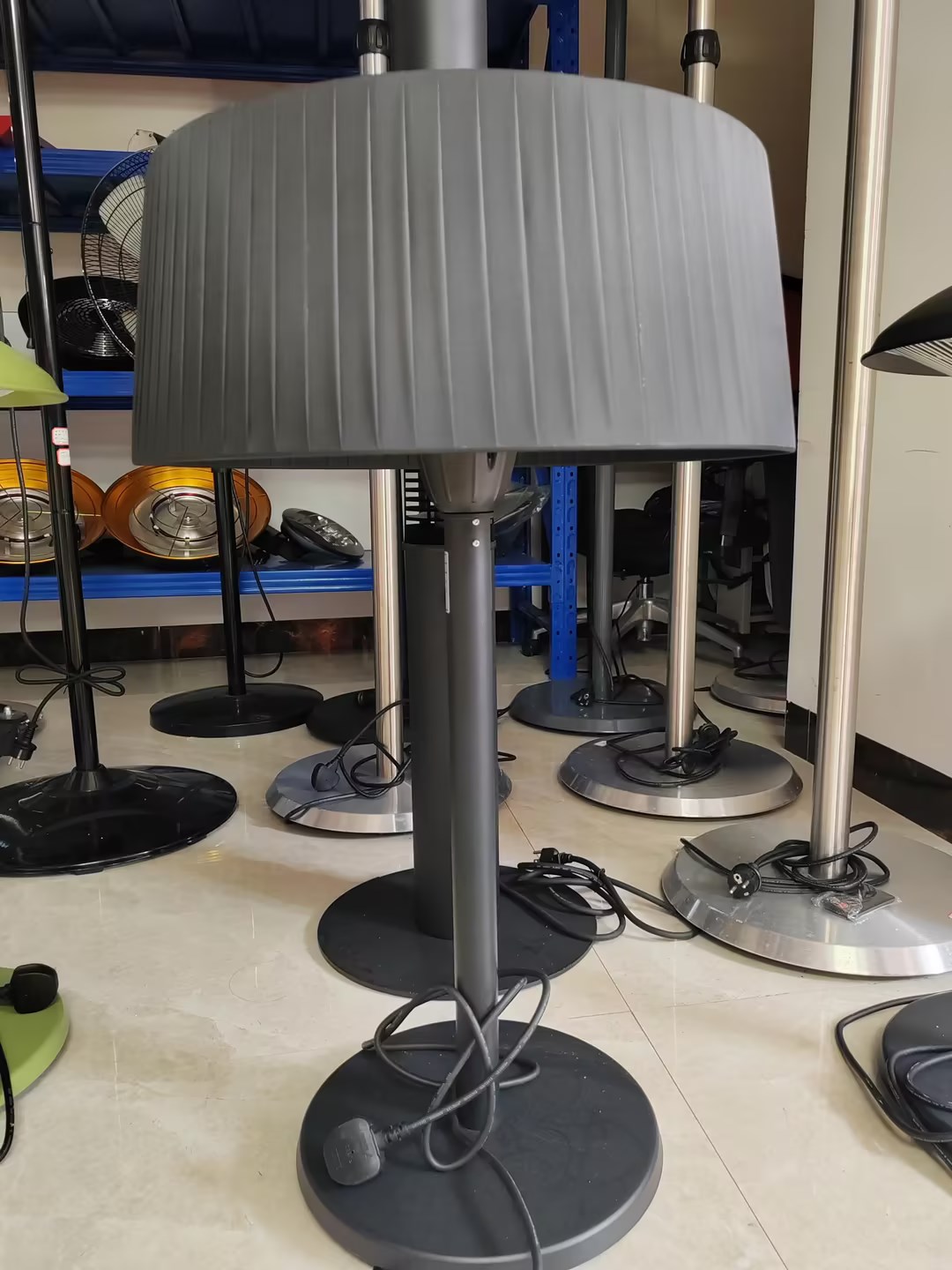
We use a carbon crystal infrared heater built around a high-purity carbon element sealed inside a quartz tube. It produces radiant warmth in the near-infrared spectrum, so you get directional heat that hits people and surfaces directly—not the air. In practice, that means warmth within seconds, and no fan noise to break the quiet. The unit runs on a standard 120V household circuit and draws 1,500W, so performance is predictable and it’s easy to integrate into living rooms, sunrooms, and covered patios. The element runs cooler at the surface than many halogen heaters, and you get tip-over protection and overheat protection. That’s the kind of margin you want when you’re running heat in a living space.
Why this approach fits real life
Infrared warmth isn’t just about bumping the temperature. It’s about how your body feels comfort. Radiant heat can ease stiffness in shoulders and backs, help circulation on cold mornings, and make evenings feel genuinely cozy without blasting air around. In a family setting, that translates to fewer complaints about cold floors, fewer drafts, and comfort that feels more natural. For outdoor living, it turns chilly evenings into usable time—conversations keep flowing, and the warmth feels steady instead of a short blast that fades fast.
The practical stuff—placement, limits, and safety
Here’s the thing with carbon crystal infrared heat: it works best with a clear line of sight to people and objects. Put the heater where it can “see” the seating area. It’s designed for indoor and covered outdoor use, so keep it protected from direct rain and heavy snow. Because the heat is directional, larger rooms can benefit from a second unit to even out coverage. Always plug into a grounded outlet, and keep the heater clear of furniture and curtains to maintain safe operating clearances.