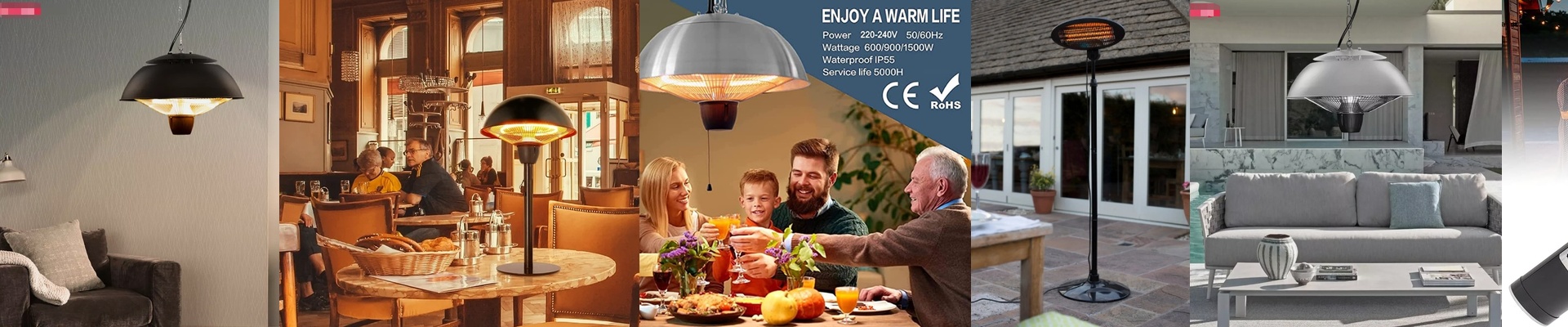
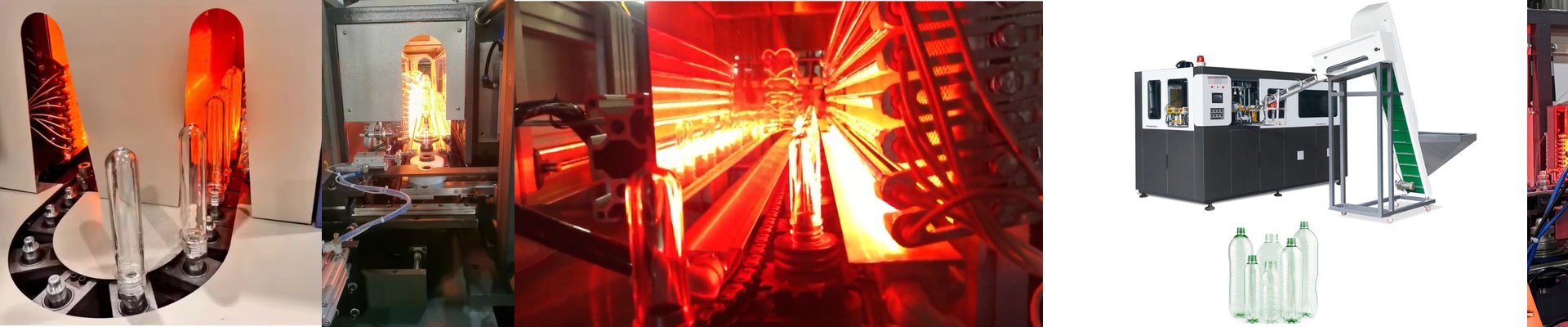
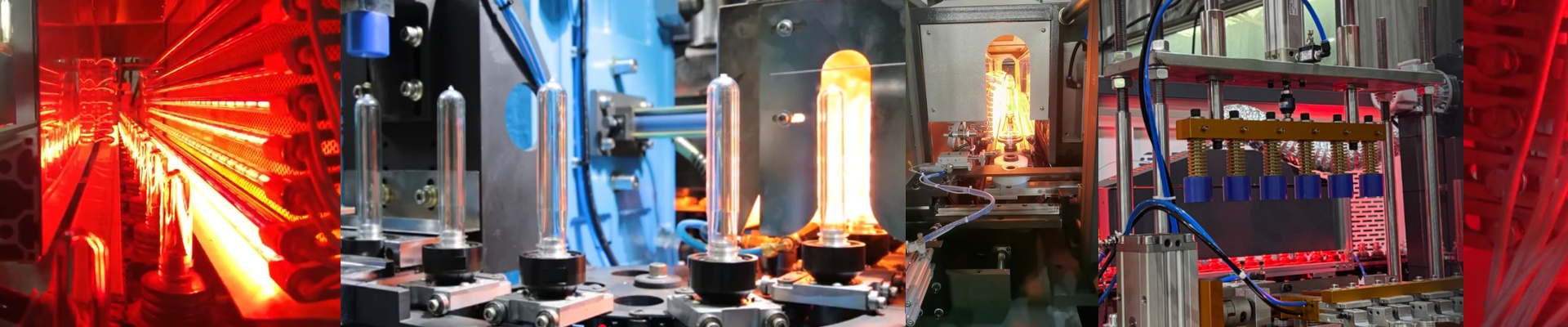
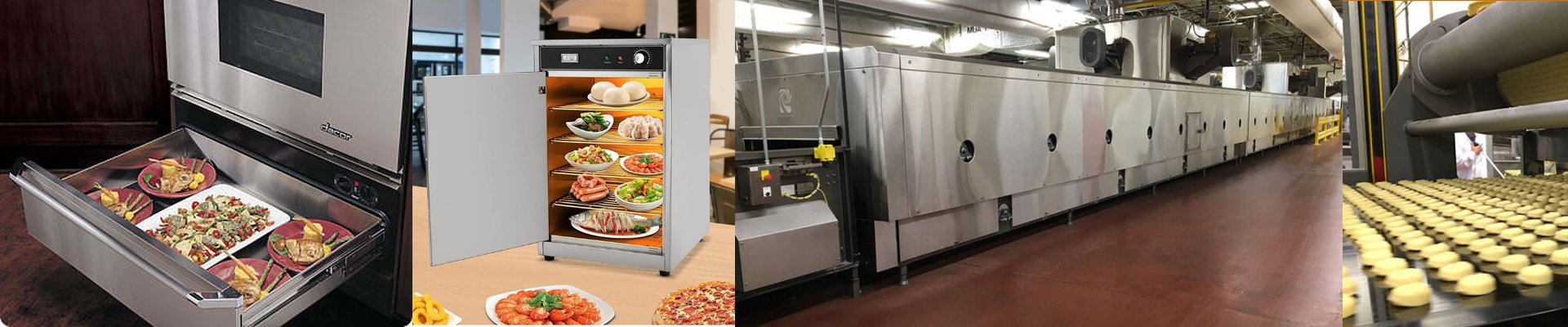
Wet shoes are more than a nuisance—they get stinky, beat up the materials, and weigh you down. Standard space heaters warm the air, not the shoe, and you end up paying to heat the whole room. Infrared shoe dryer heaters go straight to the target, using radiant warmth to pull moisture out quickly and evenly. What’s actually happening under the hood Infrared shoe dryers run on a quartz tube or carbon fiber element that throws short-wave or medium-wave radiant heat. The energy travels in a straight line and gets absorbed by the shoe surface, not the air around it. Most units plug into a standard 120V outlet, pull 200W to 400W, and pair a focused reflector with a low-glare lamp so the heat lands where you aim it. A built-in thermostat holds the element at a steady temperature, and tip-over protection shuts the heater off if it gets knocked over. Why this approach fits the job With directed heating, you warm exactly what you need, when you need it. Moisture evaporates from the inside out, so drying is faster without cooking seams, foam, or adhesives. Because the heat is localized, you don’t waste energy heating an entire closet or mudroom. The payoff is quicker turnaround between uses, fewer cycles, and a drier, fresher feel—especially on damp mornings or after outdoor chores. The details that make the difference Radiant heat works best when it has a clear line-of-sight. Keep the dryer 6–12 inches from the shoe opening and don’t block the path with thick liners or dense materials. For safety, set the unit on a stable, level surface and give it room to breathe—clear the area around the reflector and vent. This is built for shoes and light gear, not for heating large rooms.