
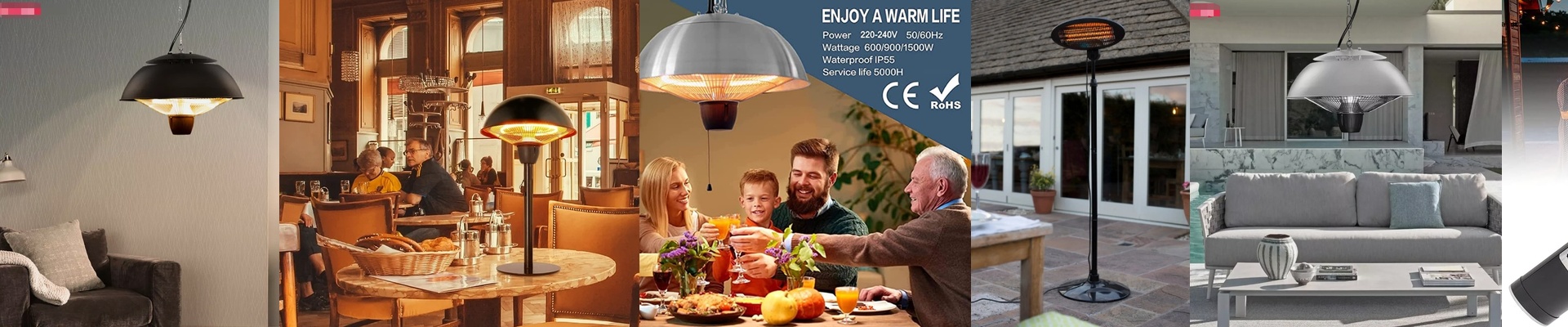

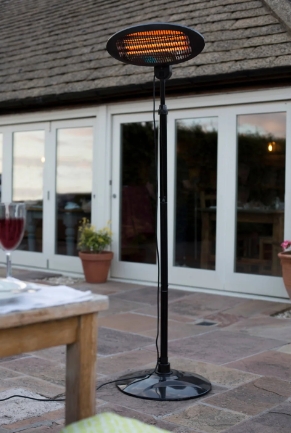
Voltage swings are the silent killer of outdoor infrared heaters. The grid dips one night, surges the next. Left unprotected, the element and electronics get hammered, and you end the season with a premature failure. We built our infrared heater with a voltage-compensation circuit that actively rides those spikes and sags, so you get steady warmth even when the supply is anything but steady.
What actually matters under the hood
Inside, a closed-loop control board watches incoming voltage and adjusts current in real time. That keeps power delivery consistent across the carbon fiber or quartz element. The payoff is stable radiant heat—no fade during a brownout, no overheat during a surge. Pair that with tip-over protection, and the unit shuts down immediately if it’s knocked off-level, preventing hot spots and hot-ignition risks. The thermostat holds your comfort zone instead of chasing it, so you get even, directional warmth that feels like sunlight on your skin.
Why this matters for real outdoor use
Evenings outdoors live right on the edge of comfortable. The air cools, the wind picks up, and you need heat that turns on, stays on, and ages gracefully. Our voltage-compensation system protects the core components, so the heater can take repeated voltage swings without losing output or shortening its life. That means fewer replacements, fewer service calls, and the confidence to host family and friends knowing the heat won’t quit. You end up with a patio or deck that stays usable longer, and the kind of dependable warmth that keeps conversation flowing.
What you need to know up front
This heater is designed for standard outlets, but it performs best on a dedicated circuit to keep shared loads off it. It’s intended for covered outdoor areas and needs to sit on a stable, level surface. Tip-over protection works, but it still needs that solid footing. For the highest reliability in areas with frequent voltage fluctuations, pair it with a properly sized surge protector. Keep the unit away from combustible materials and follow clearance guidelines. Install it as intended, and you get steady, reassuring heat exactly when the weather turns.