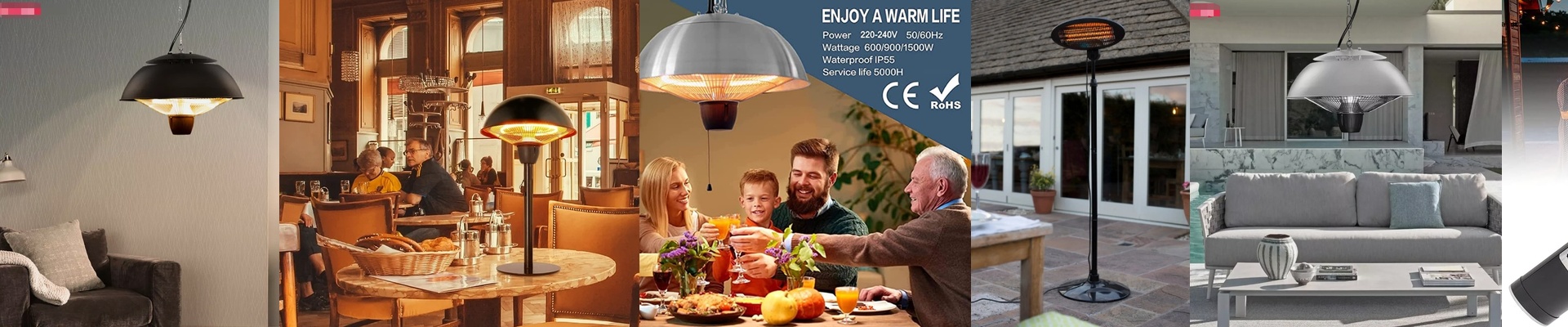
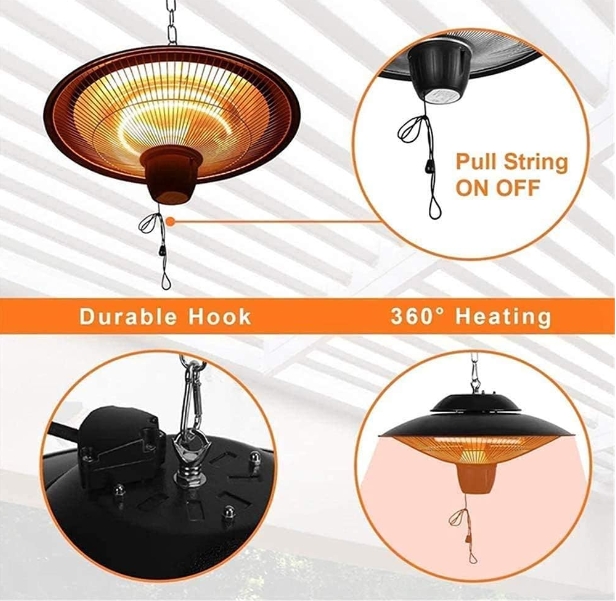
The first real nip of the season shows up, and your outdoor time shouldn’t end because your hands do. You grab an infrared hand warmer heater, and when the element finally gives out after years of service, the downtime can wreck an evening. We built ours around a modular approach so that maintenance—even five years down the road—is dead simple. No wrestling the whole unit. No second-guessing. Pop the old element, drop in a new one, and you’re back to instant radiant warmth.
What matters under the hood
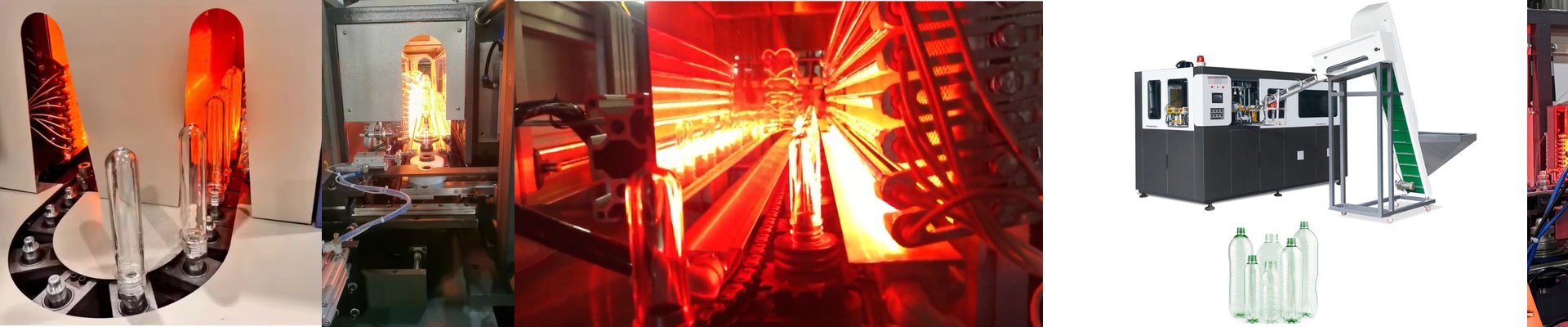
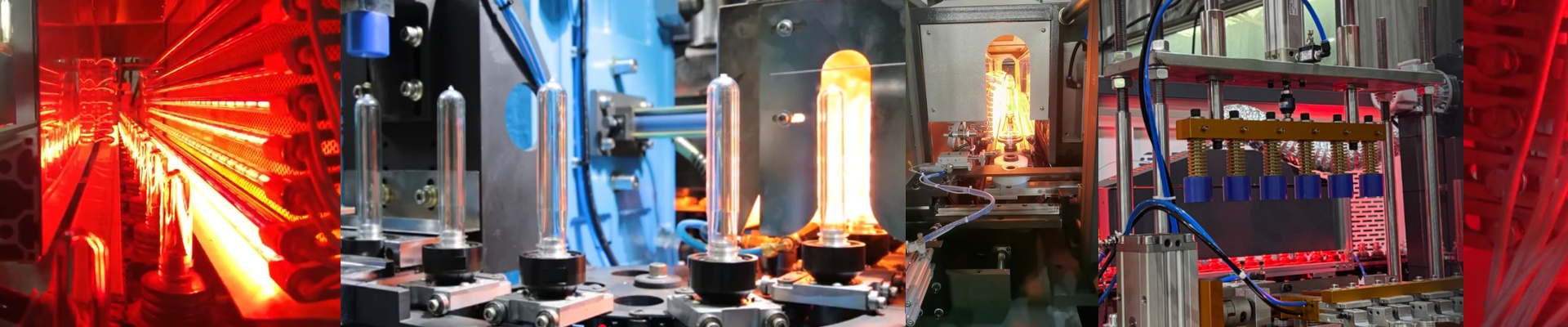
This hand warmer heater runs on an infrared quartz tube element, so the heat goes straight to hands and objects, not the air around them. The module is the backbone: a quick-connect base, standard voltage input, and a sealed housing that keeps the element shielded from moisture and knocks. You get heat within seconds, steady output over time, and an internal thermostat that holds comfort where you want it. For outdoor setups, the housing is rated for damp conditions, and the element is built to handle repeated on-off cycling without losing output.
Why this matters in the field
The real win is how fast service happens. Five years later, if the element needs replacement, you remove two fasteners, unclip the module, and swap in a fresh one. Fewer service calls. Less waiting. More confidence that your outdoor space stays comfortable. Because it warms hands directly, you feel the difference fast—perfect for patio evenings, backyard get-togethers, or those moments when you need your fingers back.The modular approach also cuts waste, since you only replace what wears out.
The details that keep it working
The modular design is straightforward, but it still has to fit your rig. Match the voltage and connector type to what you already have, and confirm the mounting footprint before you install. For best results, keep the intake clear and position the heater out of direct wind, which can rob radiant efficiency. The sealed housing is built for outdoor use, but it’s not designed to be fully submerged. Keep it under cover, and that module swap stays quick—every single time.