Quartz Lamps vs. Traditional Heating: Which one actually wins in the bakery?
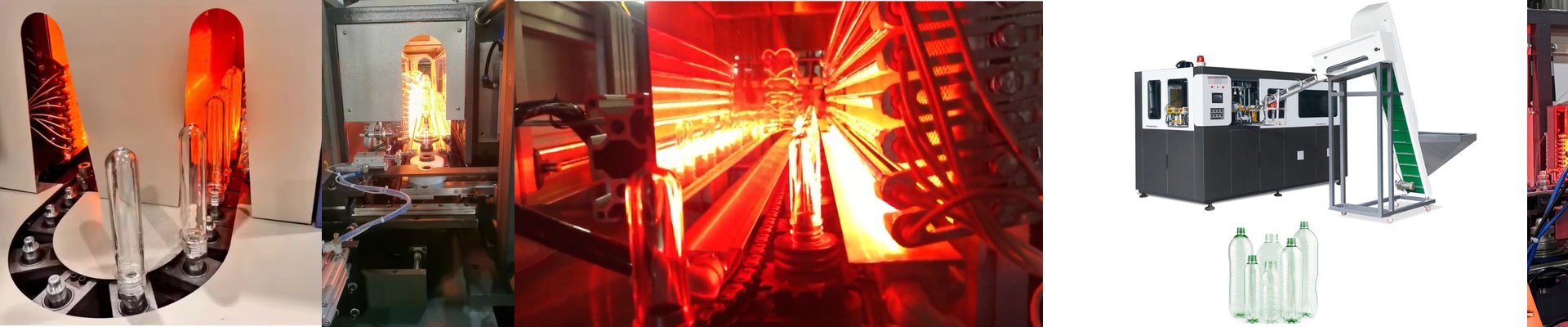
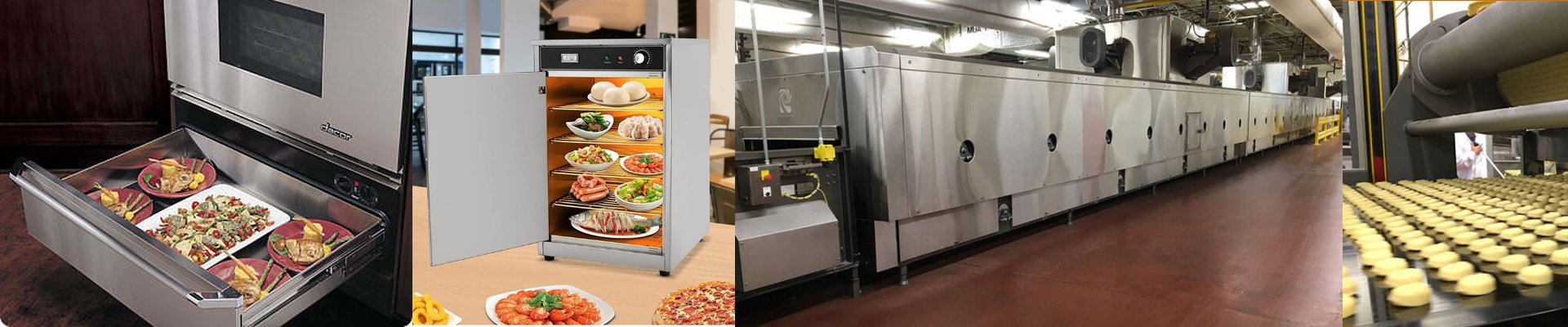
Most convection ovens work by heating up wires, which heat the air, which eventually heats your food. It’s a slow process. Plus, it’s a bit of a waste. You’re spending a ton of energy just to keep the entire inside of the oven scorching hot, even though you only care about the product. Infrared (IR) lamps flip the script. Instead of fighting with the air, they send electromagnetic radiation straight to the target. Think of it like the sun hitting your skin on a summer day. You aren’t heating the atmosphere; you’re heating the dough. The power bill side of things Those old resistance wires take forever to get going. They have to stay on constantly just to stop the heat from leaking out through the oven walls. IR lamps? They’re basically instant. You flip a switch, and they’re at full temp in seconds. This means you can stop wasting time—and electricity—on long pre-heating phases. Since the heat goes directly into the coating or the crust rather than the metal chassis of the machine, your kWh per batch usually drops. The nitty-gritty Under the hood, these are usually tungsten filaments inside a quartz envelope. We usually set them up for 220V or 380V systems, depending on what your shop is running. Then there’s the wavelength. You’ve got shortwave and medium-wave. If you’re just looking for that perfect surface bake, shortwave is usually the way to go. And here’s a nice bonus: your footprint gets smaller. You don’t need those massive, noisy fans to push hot air around, so the oven can be much more compact. The catch Now, it’s not all magic. IR heat is intense. Because it’s so concentrated, it’s easy to torch the top of your product if your conveyor belt is moving too slowly. You have to get the timing just right. The belt speed and the lamp wattage need to be perfectly in sync, or you’ll end up with hotspots. Also, if you’re swapping out old wires for IR, don’t expect your old PID controller settings to work. The thermal response is so much faster that you’ll need to tweak the software to keep things stable.