Stop Waiting on Your Oven to Heat Up
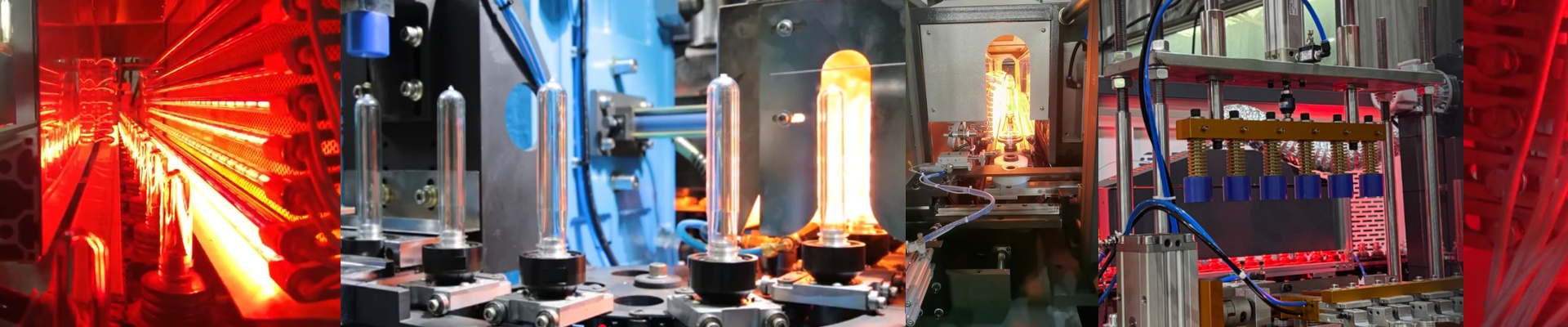
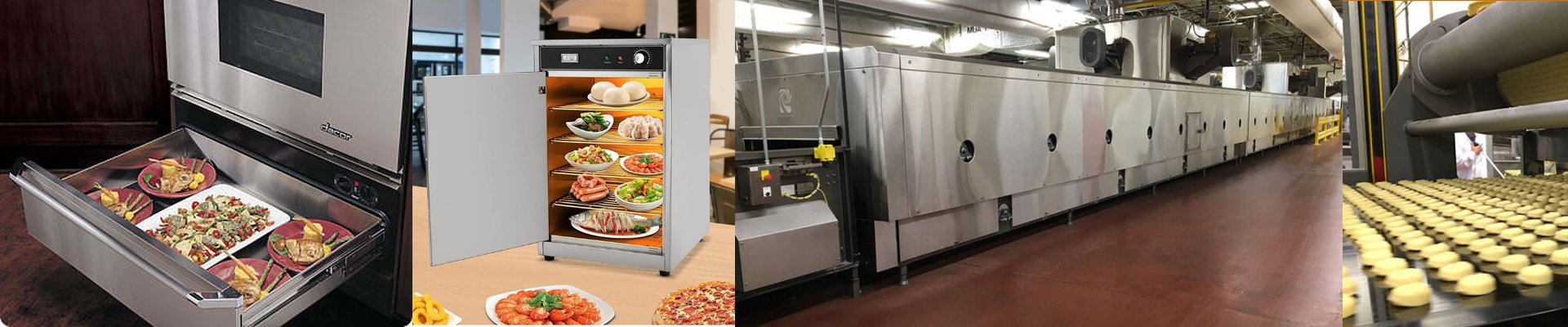
Let’s be honest: waiting for a deck oven to reach temperature is a drag. You’re stuck staring at a timer while your production schedule crawls along. Relying on just the stone or the air to do the heavy lifting creates a massive bottleneck in your day. That’s why we started adding linear infrared (IR) lamps into the mix. It’s basically a shortcut for heat.
How it actually works
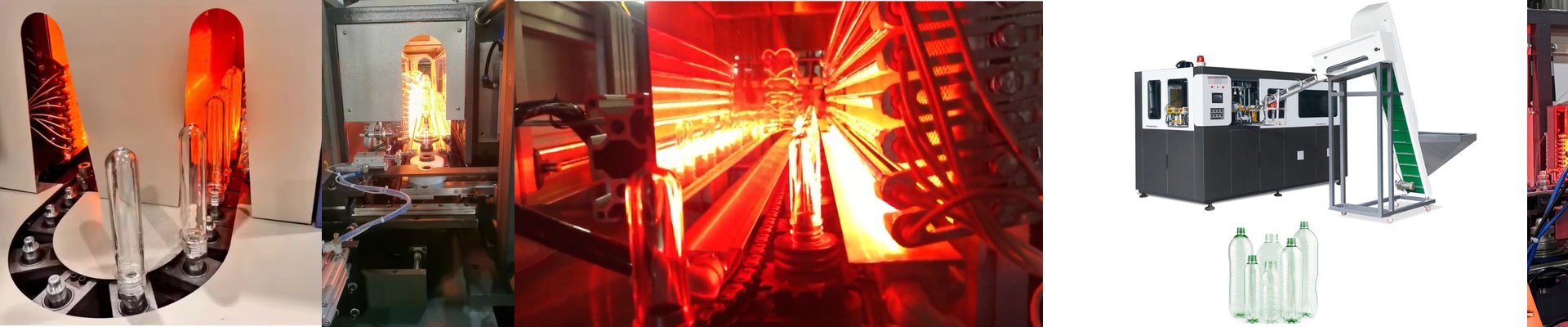
Instead of waiting for the air to get hot, these lamps shoot electromagnetic radiation straight into the product. If you go with a high-wattage tube, you’re pumping a lot more heat into every square inch. The result? The internal temperature of your dough jumps up much faster. You aren’t just heating the oven; you’re hitting the target immediately. It shaves a ton of time off your total cycle.
The nuts and bolts
We use high-purity quartz glass for the tubes because tungsten filaments get incredibly hot. Quartz can handle that sudden “on-off” thermal shock without shattering. And we kept the maintenance simple. We use standard R7s or SK15 connectors. If a lamp burns out, you just pop it out and slide a new one in. No need to rip apart the wiring or call in a specialist. Depending on what you’re baking, we can even coat the glass. This stops the heat from bouncing off the oven walls and keeps it focused right where it belongs.
A few things to keep in mind
Adding IR heat makes things move twice as fast, but it does change the vibe of the bake. Because the energy is so direct and intense, you’ll need to tweak your timers. If you aren’t careful, you’ll scorch the top of your crust before the middle is even cooked. To fix that, we use a PID controller to dial back the lamps once the preheat is done. One last tip: check your wiring. These lamps pull a lot of power, so make sure your gauge is thick enough to handle the amperage. You don’t want a voltage drop at the socket ruining your flow.