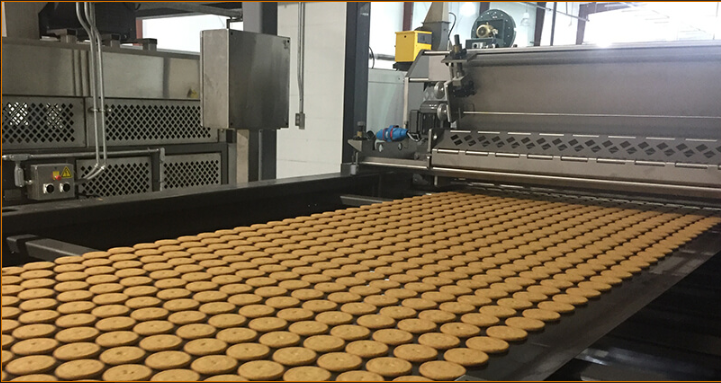
Getting that Perfect Golden Crust (Without Drying Out Your Bread)
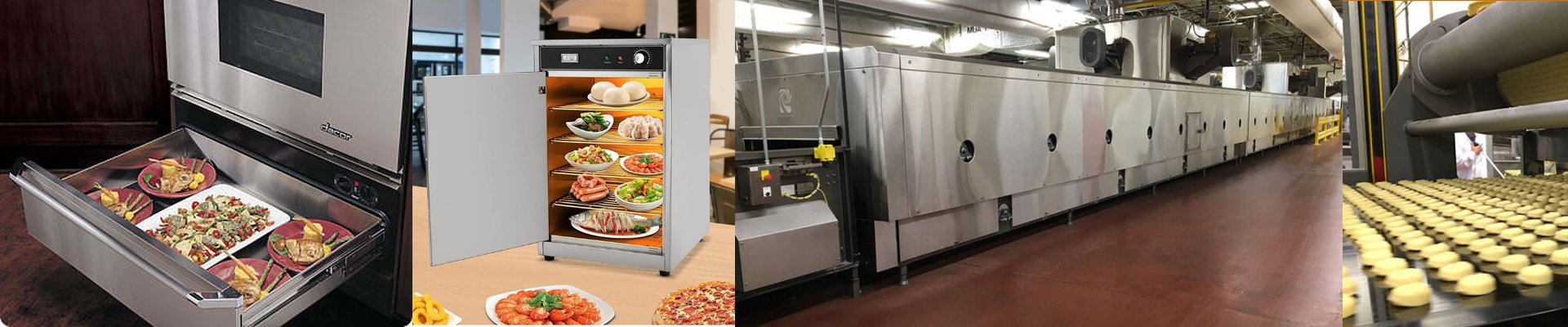
Ever wonder why some bakery loaves have that gorgeous, deep golden-brown crust while the inside stays pillowy soft? It all comes down to the Maillard reaction. Here’s the thing: to get that look, you need a huge burst of energy hitting the surface of the dough in a matter of seconds. Normal convection air just isn’t fast enough. It lingers. By the time the crust is brown, you’ve often dried out the crumb. That’s why we use far-infrared (FIR) heating. Timing is everything. In a real bakery, a few seconds can be the difference between a masterpiece and a burnt mess. We built these FIR elements to react almost instantly. Think about those old, heavy cast-iron elements. They take forever to warm up. Our quartz tubes, though? They hit the target temperature in seconds. This means you can trigger the browning exactly when the bread hits its peak rise. You aren’t locking the crust in too early, which gives the loaf room to breathe and grow. The gear behind the glow We use high-purity quartz tubes because they let the infrared spectrum punch right through to the dough. Instead of wasting energy heating up the entire oven cavity, we concentrate the wattage. It’s a focused hit of heat right on top of the loaf. Efficiency is great, but you do have to be careful with your wiring. If you’re plugging these into a heavy industrial grid, make sure your controllers can handle the rapid switching. It keeps the surface temperature steady and stops the elements from burning out. The reality of installing them These are designed to drop right into standard convection arrays, so the setup is pretty straightforward. But a heads-up: FIR radiation is intense. You’ll want to make sure your oven’s internal shielding can take the heat. Also, check your ventilation. If you aren’t pulling that excess ambient heat away from your electronics, you’re probably going to trip your thermal cut-offs. It’s a bit of a trade-off. You get professional, lightning-fast browning, but you’ve got to keep an eye on that concentrated heat load. Worth it? Absolutely.