Getting Your Bakery’s Heat Exactly Right with Quartz Infrared Lamps
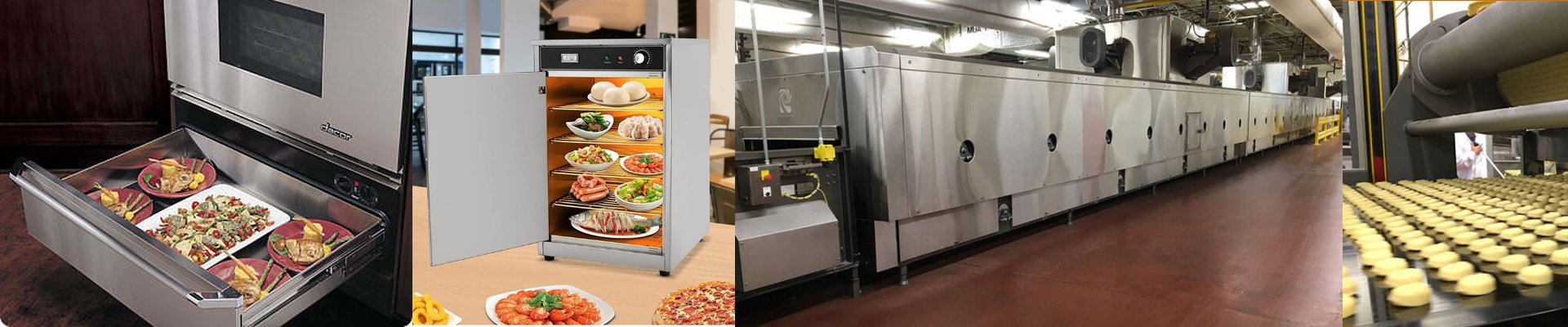
If you’re running an automated kitchen, you know the struggle. You need that perfect golden-brown crust and a center that’s cooked just right, every single time. The secret is how fast your heat reacts. That’s why we lean on quartz infrared lamps. Instead of wasting time heating up all the air in the oven, these lamps shoot heat directly into the food. It’s like the difference between waiting for a room to warm up and stepping into a beam of sunlight. You can flip the switch, get the heat you need, and kill it the second it’s done. Making the hardware play nice with your logic To get that pinpoint accuracy, your lamp’s wattage and voltage have to be in sync with your PID controller. We build these for speed. Here’s how it works in the real world: your sensors spot a temperature dip, and the system kicks power into the quartz tube. Because quartz doesn’t hold onto heat like a heavy brick, it hits the target temperature in seconds. You don’t have to deal with that annoying “overshoot” where the oven stays scorching hot long after the power is off, ruining your batch. The nitty-gritty on materials We use high-purity quartz glass because it lets the infrared light pass through without any interference. Every bakery is different, so we don’t do “one size fits all.” We can tweak the length and wattage to fit your specific oven setup. And depending on how deep you need the heat to soak into the dough, you can go with short-wave or medium-wave emitters. Plus, we offer a few different connector options, so when it’s time for maintenance, you can just swap them out and get back to baking. A few things to watch out for High-wattage lamps pack a punch. They’re incredible for searing, but they can be hard on your wiring. You’ll want to make sure your relays and cables can handle the peak current, or things will start overheating. Also, if you cram too much wattage into a tiny space without good airflow, you might burn out the ends of the lamps. And a pro tip? Use a high-frequency SSR (Solid State Relay). It beats the hell out of traditional contactors, which eventually wear down and fail because they’re mechanical. The SSR just keeps humming along.