Building Heaters That Don’t Become a Nightmare to Fix
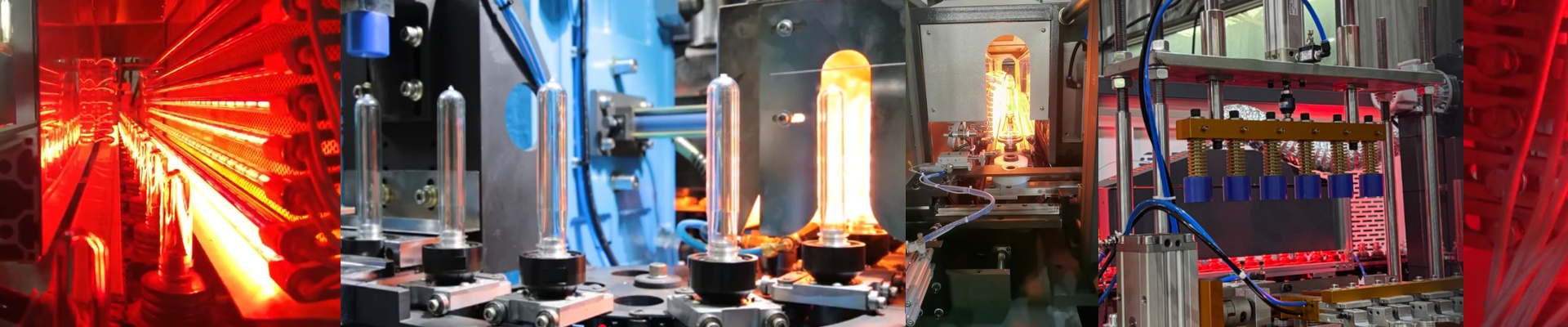
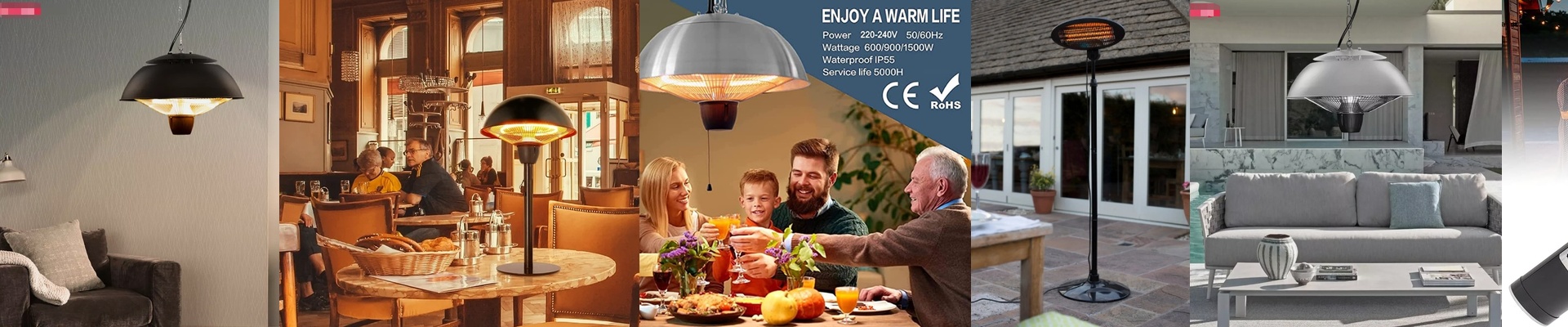
When you’re picking out waterproof heaters for a chicken coop, you have to look at the environment first. It’s a brutal place. Between the humidity, the dust, and the ammonia, standard heating elements just get eaten alive. That’s why we stick with infrared. Instead of fighting a losing battle trying to warm the air in a drafty shed, infrared goes straight to the birds and the floor. It actually works. The honest truth about wear and tear Here’s the thing: heating elements eventually burn out. That’s just physics. It’s not a flaw in the product; it’s just how they work. But in a commercial setup, you can’t just stop everything because one tube quit. If your system is all hard-wired or welded together, you’re looking at hours of downtime and a lot of stressed-out livestock just to fix one small part. It’s a headache nobody needs. Swap it out and get back to work We decided to build our infrared modules as “drop-in” replacements. We put the elements in these independent, waterproof cassettes. Usually, a tube lasts about five years, depending on how hard you run it. When it finally gives up, you don’t have to get out the soldering iron or rewire the whole circuit. You just unplug the dead module and slide a new one in. It’s fast. Really fast. And it means you don’t need a toolbox full of specialized electrical gear sitting on the shop floor. You can have it fixed in minutes. The trade-off Now, using connectors instead of a direct solder does add more contact points. In a wet environment, that’s usually a red flag. To stop those points from rusting or shorting out, we used IP-rated seals and housings that can handle corrosion. The only catch? You have to make sure the seals are seated right when you swap the module. If you’re sloppy with the seal, you lose that waterproof protection. But for us, it’s a no-brainer. Spending a little more on a clever housing now is a tiny price to pay compared to tearing down an entire system five years from now.