Stop the Bathroom Mold Battle with Infrared Heat
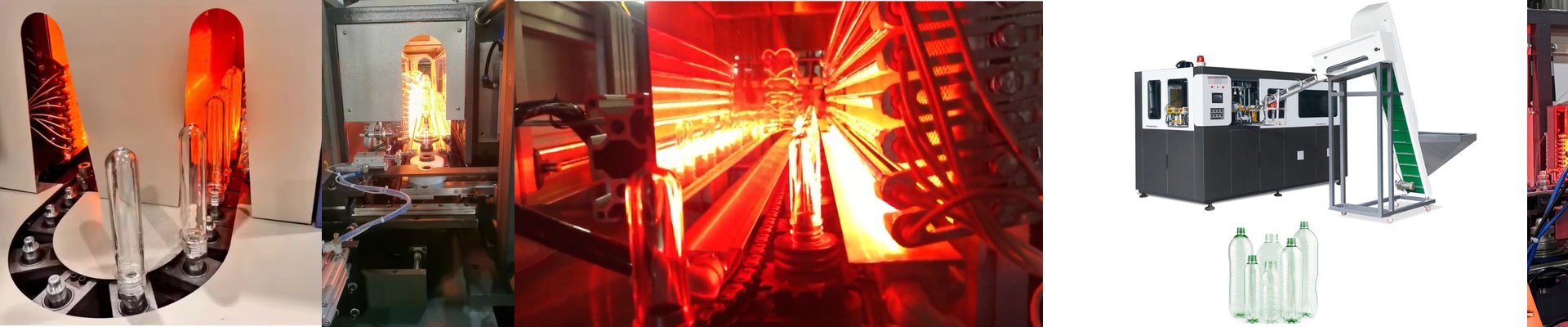
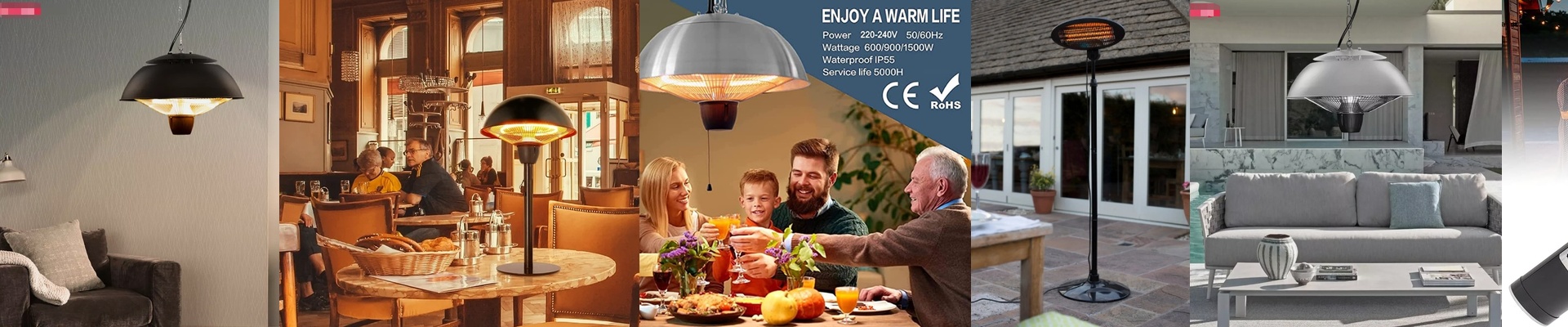
Most people think bathroom heat lamps are just there to keep you from shivering when you step out of the shower. But if you look under the hood, there’s some pretty cool science happening. We’re talking about shortwave infrared (SWIR). These aren’t your typical space heaters. When we use units with an IP65 rating, it basically means the guts of the machine are sealed tight. Water stays out, and the heat goes exactly where it needs to. Here’s the thing about mold. Mold loves two things: damp air and cold surfaces. If your bathroom walls stay chilly, steam clings to them and turns into droplets. That’s where the mold starts to move in. Infrared is different because it doesn’t bother heating the air. Instead, it beams heat directly onto your tiles, floors, and ceiling. When those surfaces stay warm, water can’t condense on them. It’s a simple trick, but it keeps your bathroom dry and smelling fresh without you having to scrub the grout every weekend. Built for the splash zone. Bathrooms are brutal on electronics. You’ve got steam, splashes, and high humidity. That IP65 seal is what saves the day—it keeps the circuitry bone-dry no matter how much steam you kick up. Inside, we use quartz glass tubes. They can go from ice-cold to scorching hot in seconds without cracking. You get a massive amount of heat without needing a giant, clunky machine taking up space. A quick word of caution. You can’t just throw the most powerful lamp you can find into a tiny stall. If you overdo the wattage, you might actually melt some plastic fixtures or just make the room feel like a sauna. It’s all about finding the right balance for the size of your room. My advice? Wire these into a timer or a humidity sensor. That way, the lamps only kick in when the room actually gets steamy. You save on your electric bill, and your walls stay dry enough that mold spores never even get a chance to land.