
In a gallery, silence is part of the collection—and it’s also a risk you can hear. Forced-air systems kick up dust, stir drafts, and shove humidity around. Radiators, on the other hand, create hot spots that can warp frames and stress canvas. The wrong heat doesn’t announce itself; it quietly undoes years of conservation work.
What matters, technically
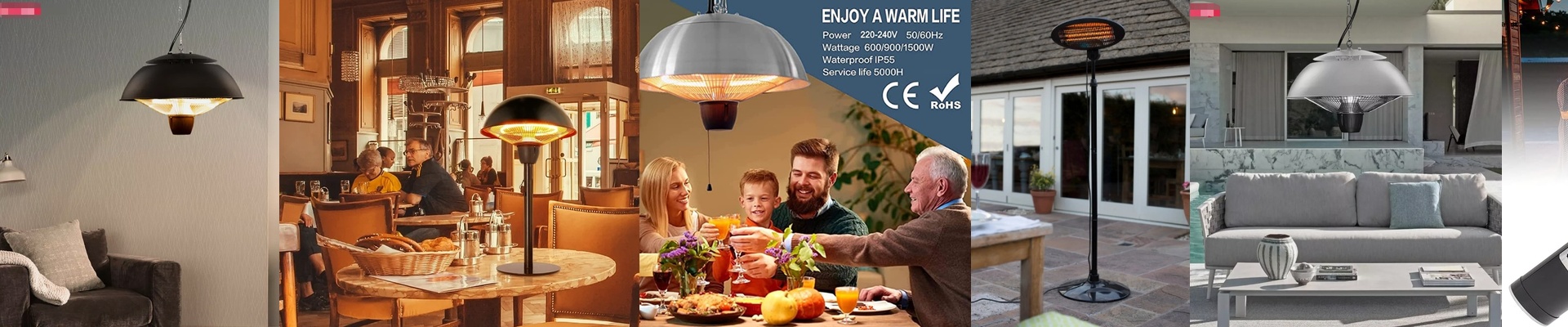
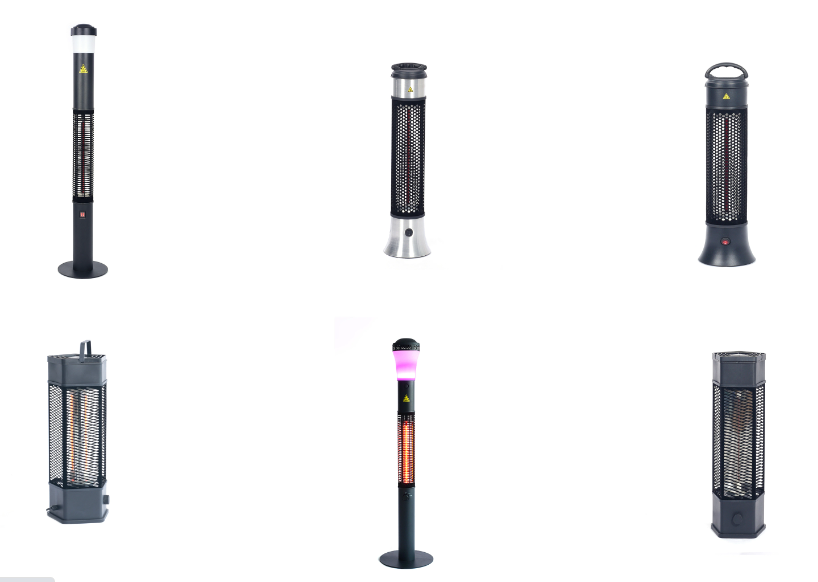
Infrared heaters warm people and surfaces directly, not the air. We pair that radiant approach with a digital thermostat that holds a steady setpoint, typically within ±1°C, so temperature swings stay small and predictable. A carbon-fiber element delivers gentle, even infrared warmth, and a low-glare filter keeps the light output discreet. We spec these units for quiet operation and clean integration: 230V hardwired connections, compact housings, and IP ratings suitable for indoor spaces. The control is straightforward—set the temperature, and the heater cycles on and off with precision.
Why it works in a museum or gallery
You need heat that puts the collection first. Infrared warmth doesn’t circulate airborne particles, so delicate surfaces stay cleaner. And because it’s radiant, comfort doesn’t depend on moving air—visitors feel warmth without drafts. The digital thermostat keeps conditions stable, which matters for organic materials that react to even small swings. You get comfort where people gather, and protection where objects are vulnerable, without the noise and maintenance headaches of ducted systems.
The practical details you can’t skip
Infrared heat is directional, so placement matters. Aim the unit to warm occupant zones and key surfaces, and avoid direct, prolonged exposure to sensitive works—distance and angle are part of responsible design. These units are intended for indoor, protected environments and should be installed by a qualified electrician. For best results, pair the heater with a room-level humidity monitor, especially in spaces with wood, paper, or textiles.