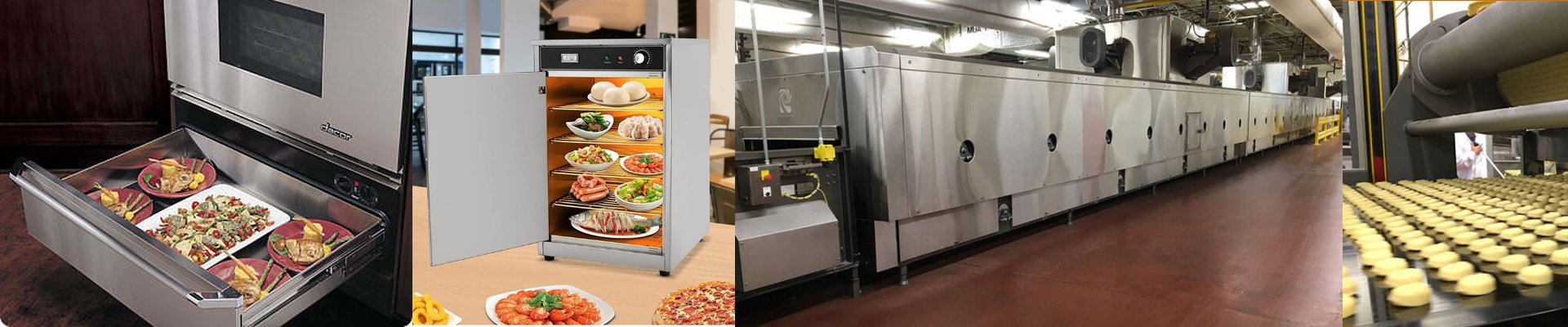
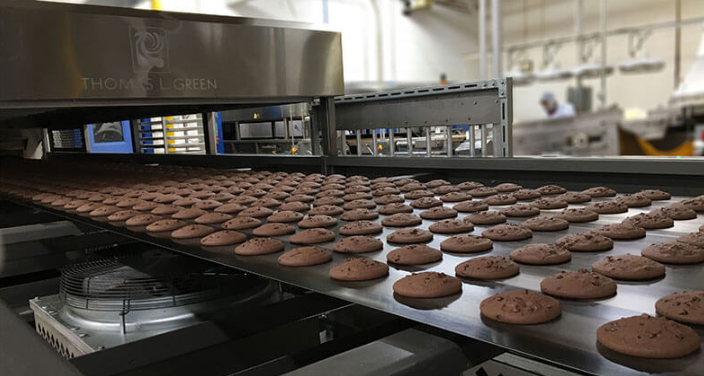
A Smarter Way to Buy Bakery Ovens
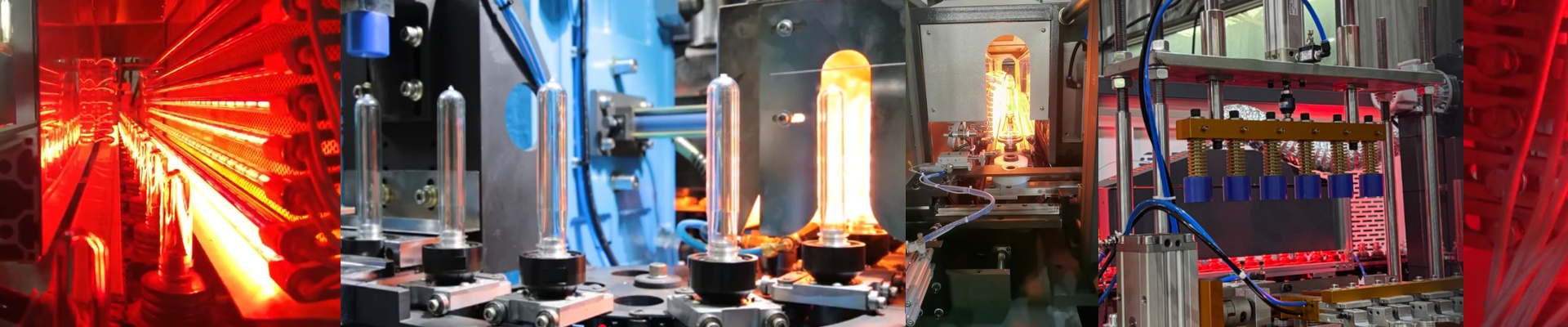
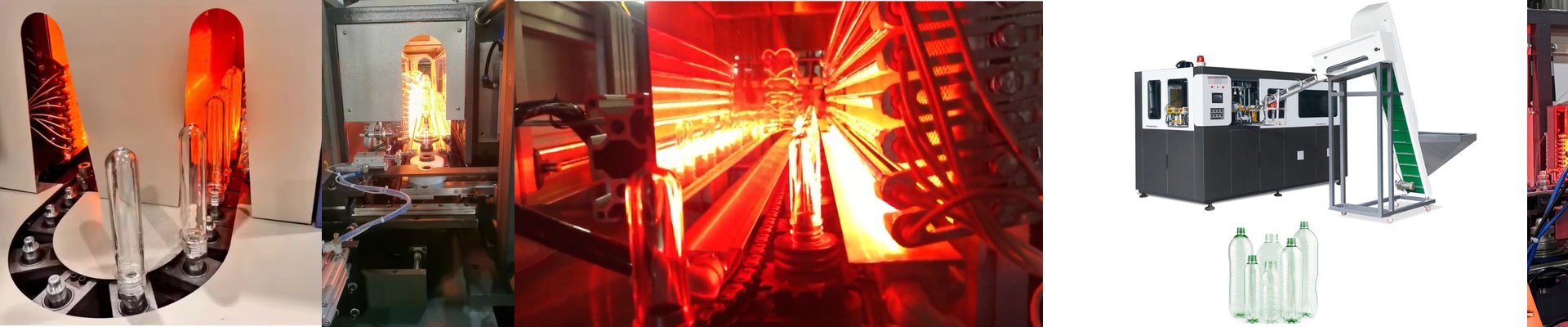
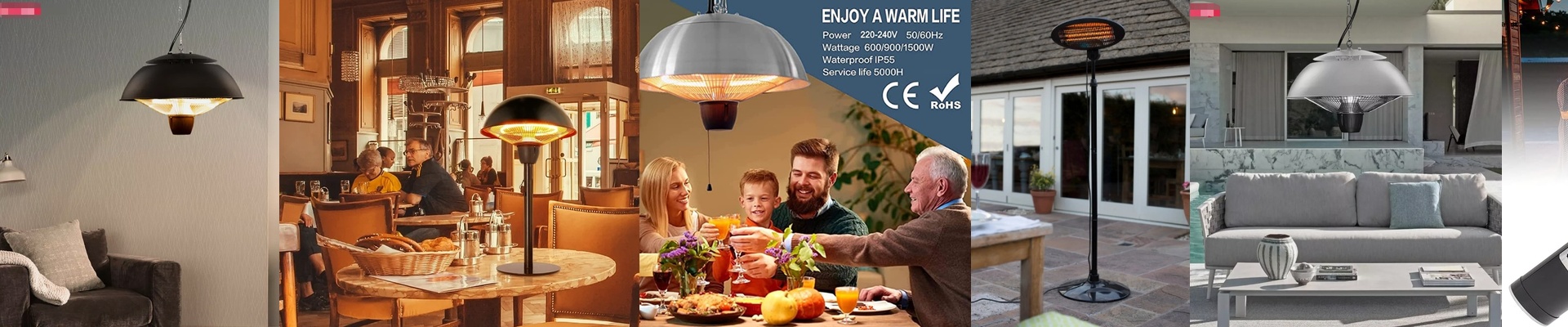
If you’re running a chain of bakeries, you know the headache. You want ovens that don’t eat your electricity bill alive, but the high-efficiency models usually cost a fortune upfront. It feels like you have to choose between your budget and your bottom line. We found a way around that using shortwave infrared (IR) heaters. Instead of relying on old-school convection or those heavy resistive elements, we use quartz IR lamps. It’s a simple swap that makes the whole oven cheaper to build without ruining your bake. How it actually works Here’s the thing: convection ovens waste a lot of time heating up the air first. IR is different. It sends heat directly into the dough. Because these lamps pack so much punch, we don’t need as many of them. We can use a smaller heater footprint, which means the oven housing itself can be smaller. Less steel, less insulation, and a much lower price tag for the machine. Built for the real world We use high-purity quartz glass for the heaters. Why? Because in a busy kitchen, things turn on and off constantly. Cheap glass cracks under that kind of pressure. Quartz doesn’t. And we kept the maintenance side simple. We use standard connectors like R7s or SK15. If a tube burns out, your team doesn’t need a specialized engineer to fix it. They just pop the old one out and drop a new one in. It takes minutes. Getting the balance right Going with high-performance IR lamps makes expanding your chain a lot easier on the wallet. You get faster heat-up times and way more control over different baking zones. But, there is a catch. IR heat is intense. If your conveyor belt is moving too slowly, you’ll scorch the crust before the middle is done. You just have to make sure your belt speed matches the lamp’s power. Once you nail that timing, you’ve got a lean, mean baking machine. You strip away all the bulky, expensive hardware of a traditional oven and end up with a line that costs way less per unit.