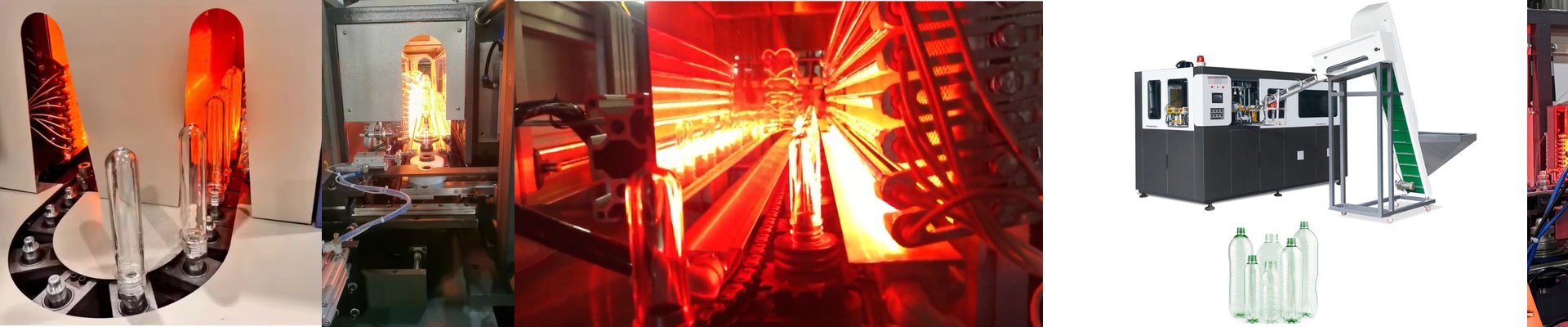
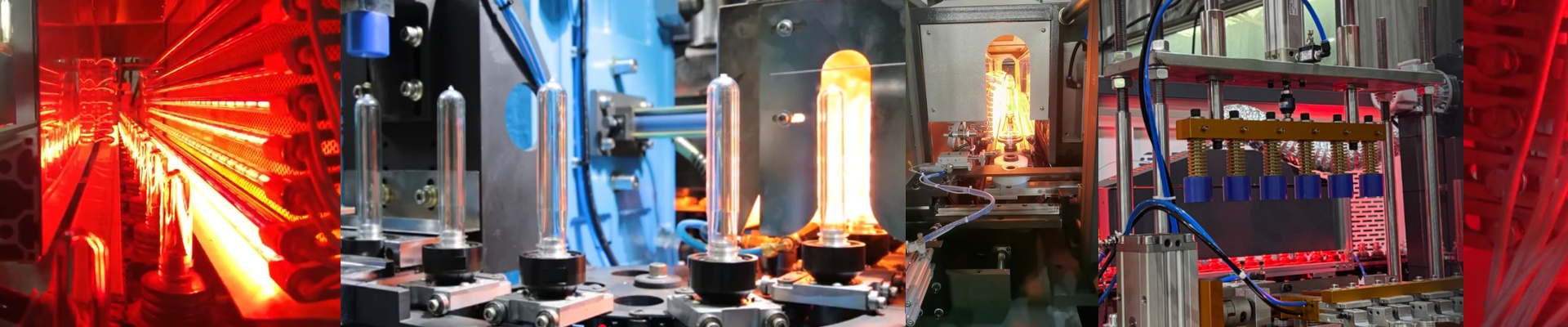
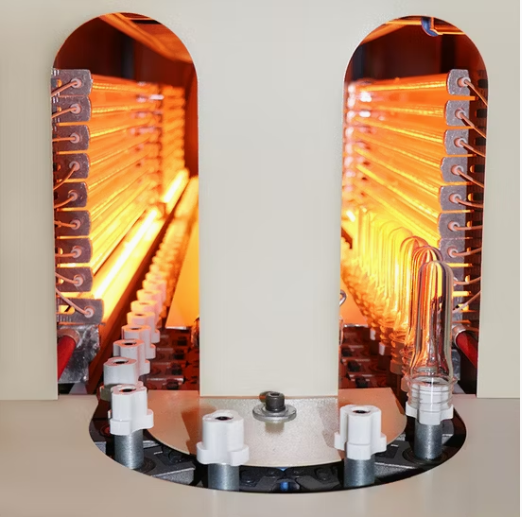
The heating tunnel is where a blow molding cell earns its keep. If the preforms are running cold, you’re chasing short shots and piling up scrap. If the lamps are drifting, you’re throttling the line just to keep bottles in spec. Throw in unplanned stops for lamp changes, and the cost per bottle quietly creeps up. What matters under the hood The SIPA SFR 6 infrared lamp bulb is a short-wave infrared emitter, built for the heating profile that stretch blow molding demands. Quartz envelope. Tungsten filament. It gives you fast response, tight control, and stable output across the preform heating zone. The specs are matched to the SIPA SFR 6 footprint—length, lead spacing, and the R7s connector interface—so it drops into the reflector assembly clean. The payoff is repeatable heating that keeps the tunnel profile where you set it, cycle after cycle. Why it fits the SIPA SFR 6 On an SFR 6 blow molder, the heating tunnel has to land in a narrow window: enough heat to get the material distribution right, but not so much that you scorch or weaken the preform. The SFR 6 infrared lamp bulb hits that window with predictable output, so you can push throughput without chasing temperature drift. Fast thermal response cuts warm-up time and tames the heat-up spikes that force you to back off. Fewer lamp-related faults mean fewer micro-stops. Over a year, that adds up to more good bottles, less scrap, and less maintenance labor. The practical details It’s a direct-fit replacement, but you still need to run it like a process, not a swap. Confirm voltage and wattage match your machine’s zone settings. Inspect the reflector and socket for oxidation and contact pressure—bad contact gives you flicker and uneven heating. Handle the quartz with clean gloves; fingerprints bake on and create hot spots that shorten life. Keep airflow in the tunnel controlled, and keep the lens clean. If you don’t, efficiency falls off and the temperature starts to swing.