Getting Your Sidel Matrix Heating Just Right
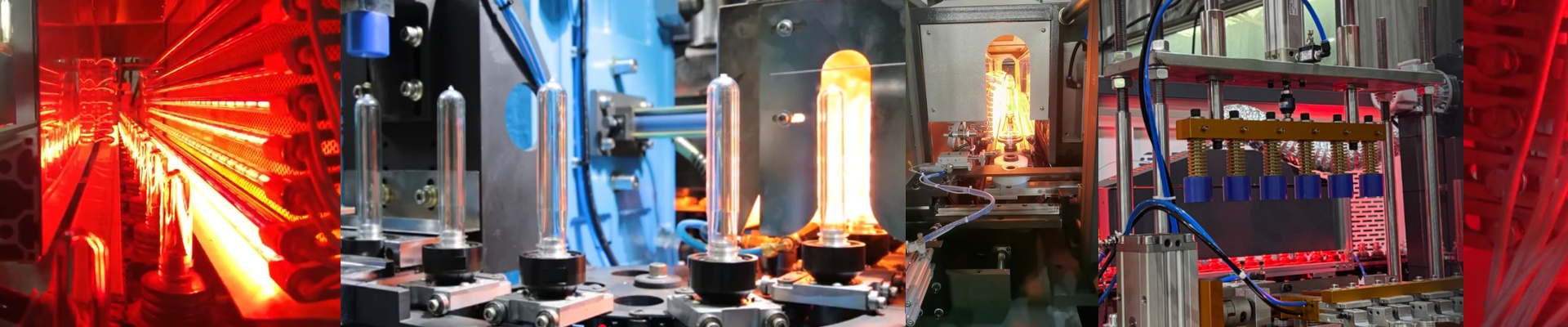
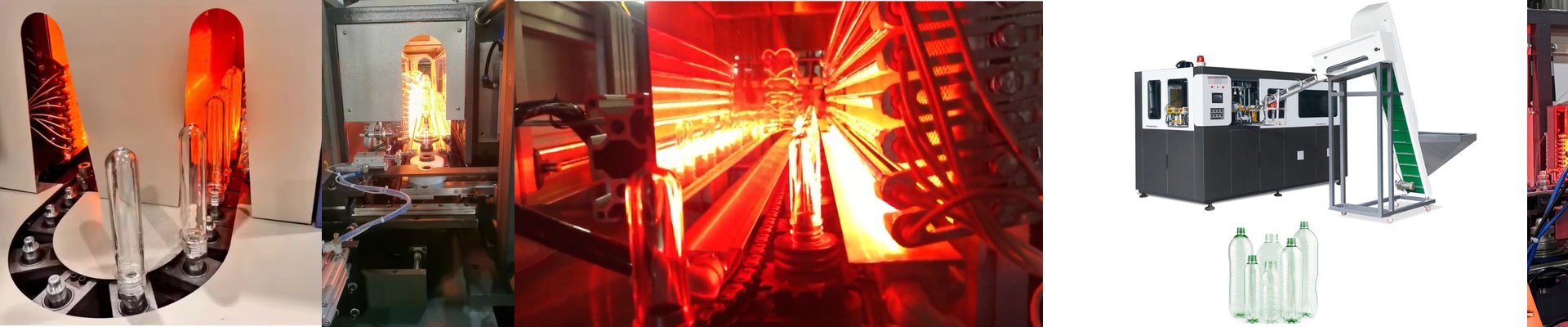
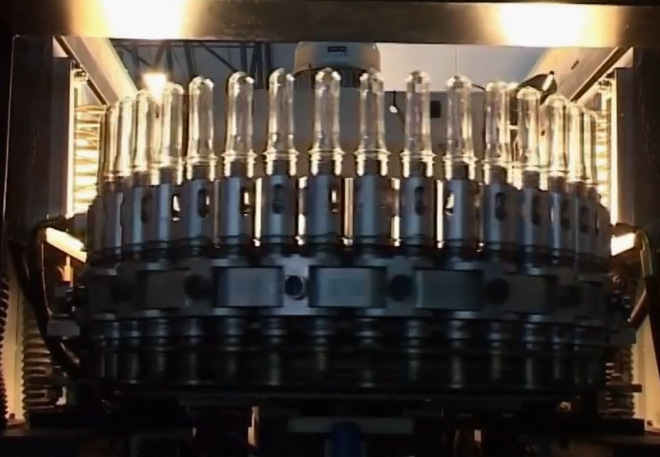
When you’re swapping out lamps in a Sidel Matrix, “close enough” doesn’t cut it. If the wattage is off or the light spectrum shifts even a tiny bit, your preform temperature starts to drift. That’s how you end up with weird wall thickness or those annoying pearlescent streaks in your bottles. It’s a headache you just don’t need. The nitty-gritty on the build We build our replacement lamps to match the original Sidel specs exactly. Voltage, wattage, physical length—it’s all a 1:1 match. Why does that matter? Because when you slide these into your oven, your power controllers won’t even notice a difference. No surprises. No glitches. We also use high-purity quartz glass. These things get incredibly hot during a blow molding cycle, and cheap glass warps. Ours doesn’t. Plus, the connectors fit into the sockets smoothly. No forcing, no jamming, and definitely no arc-overs or burnt-out terminals. Heat that actually hits the mark The real secret is in the infrared wavelength. We’ve tuned our filaments to hit that specific short-wave IR frequency that PET loves. These high-wattage tubes pack a punch, getting you to that glass transition temperature fast. But here’s a pro tip: all that concentrated energy puts a lot of pressure on your oven’s ventilation. If your cooling blowers are clogged or acting up, the ambient heat will kill any lamp—no matter how good the quartz is. Keep those blowers clean. Just drop them in and go These are true drop-in replacements. You won’t spend your afternoon rewriting heating profiles or messing around with PLC settings. We did the heavy lifting on the physics and the quartz precision so the heat spreads evenly across the preform. It means you can skip the “trial-and-error” phase that usually comes with third-party parts. You just install them, hit start, and get back to production.